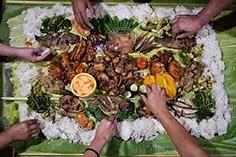
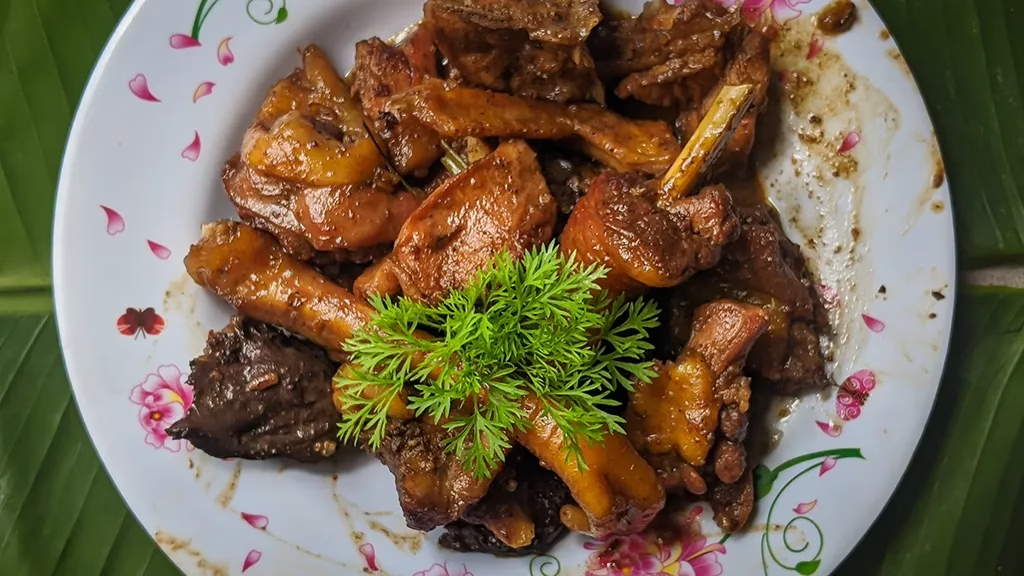
Welcome to the culinary world of the Philippines, a vibrant tapestry of flavors, cultures, and traditions! One dish that stands out and steals the hearts of many is the Filipino Adobo recipe. This tantalizing dish represents the rich heritage of Filipino cuisine and serves as a comforting reminder of home for many Filipinos living abroad. In this article, we will explore the depths of Adobo, including its origins, variations, and, most importantly, how to prepare an authentic Adobo recipe from the Philippines.
Adobo is often called the unofficial national dish of the Philippines, and for good reason! This savory, tangy delight is a staple in Filipino households and captures the essence of Filipino cooking—simple yet packed with flavor. So, whether you’re looking to impress your friends at dinner or simply craving a taste of the Philippines, you’re in for a treat!
Understanding Adobo
What is Filipino Adobo?
At its core, Filipino Adobo is a cooking method that involves marinating meat in a mixture of vinegar, soy sauce, garlic, and spices, then simmering. This method infuses the meat with flavor and acts as a natural preservative. The beauty of Adobo lies in its versatility; it can be made with various proteins, including chicken, pork, beef, or even tofu, as a vegetarian option. Each variant brings a unique taste and texture to the dish, making it a favorite among countless families.
History of Adobo
The history of Adobo is as rich and diverse as the dish itself. The term “adobo” is derived from the Spanish word “adobar,” meaning “to marinate.” The cooking technique was introduced to the Philippines during Spanish colonization in the 16th century. However, marinating and cooking meat with vinegar and spices predates Spanish influence, showcasing the indigenous culture’s ingenuity and resourcefulness.
Over the years, Adobo has evolved, incorporating regional ingredients and flavors reflecting local culture. For instance, in the Ilocos region, you might find Adobo cooked with a unique twist using local vinegar. Meanwhile, in the Visayas, they might use coconut milk in their versions, creating a creamy Adobo that is just as delicious. This adaptability is a testament to how Adobo reflects Filipino culture and traditions, embracing regional diversity while maintaining its beloved essence.
Ingredients for Filipino Adobo
Essential Ingredients
To create a mouthwatering Adobo, you’ll need a few key ingredients:
- Meat: Chicken is the most common choice, but you can also use pork or beef.
- Vinegar: This is crucial for that tangy flavor. Cane vinegar is traditional, but white vinegar works well too.
- Soy Sauce: Adds depth and umami to the dish.
- Garlic: Fresh garlic cloves are a must for flavor.
- Bay Leaves: These impart a lovely aroma and flavor.
- Black Peppercorns: For a hint of spice.
Each ingredient is essential in crafting the perfect Adobo, creating a harmonious balance of flavors that will have you going back for seconds.
Optional Ingredients and Variations
While the essential ingredients are non-negotiable, don’t hesitate to get creative with additional ingredients!
- Onions: Sautéed onions can add sweetness and depth.
- Coconut Milk: For a creamy version, especially in the Visayas.
- Potatoes: A common addition that absorbs the delicious sauce.
- Chilies: If you like spicy chilies, throw in some fresh or dried chilies.
These optional ingredients allow you to customize your Adobo and make it your own, showcasing your personal touch while honoring the traditional recipe.
Step-by-Step Adobo Philippines Recipe
Preparation Steps
Now that we’ve gathered our ingredients, let’s dive into the preparation of this delectable dish!
- Marinate the Meat: In a large bowl, combine the meat (chicken, pork, or beef) with soy sauce, vinegar, minced garlic, bay leaves, and black peppercorns. Make sure the meat is well-coated. Cover and marinate for at least 30 minutes, or ideally, overnight in the refrigerator for maximum flavor.
- Prep for Cooking: After marinating, remove the meat from the marinade, but keep the marinade for later. Pat the meat dry with paper towels to help it brown better when cooking.
Cooking Instructions
- Sauté the Meat: Heat oil over medium-high heat in a large pot or deep skillet. Add the marinated meat and sear it until browned on all sides. This step adds a rich flavor to the dish.
- Add the Marinade: Once the meat is browned, pour in the reserved marinade and bring it to a boil. Lower the heat, cover, and let it simmer for about 30-40 minutes or until the meat is tender. If you’re using potatoes, add them halfway through the cooking process.
- Adjust the Flavor: Taste the sauce and adjust the seasoning if necessary. Uncover the pot and let it simmer for 10-15 minutes if you prefer a thicker sauce.
Serving Suggestions
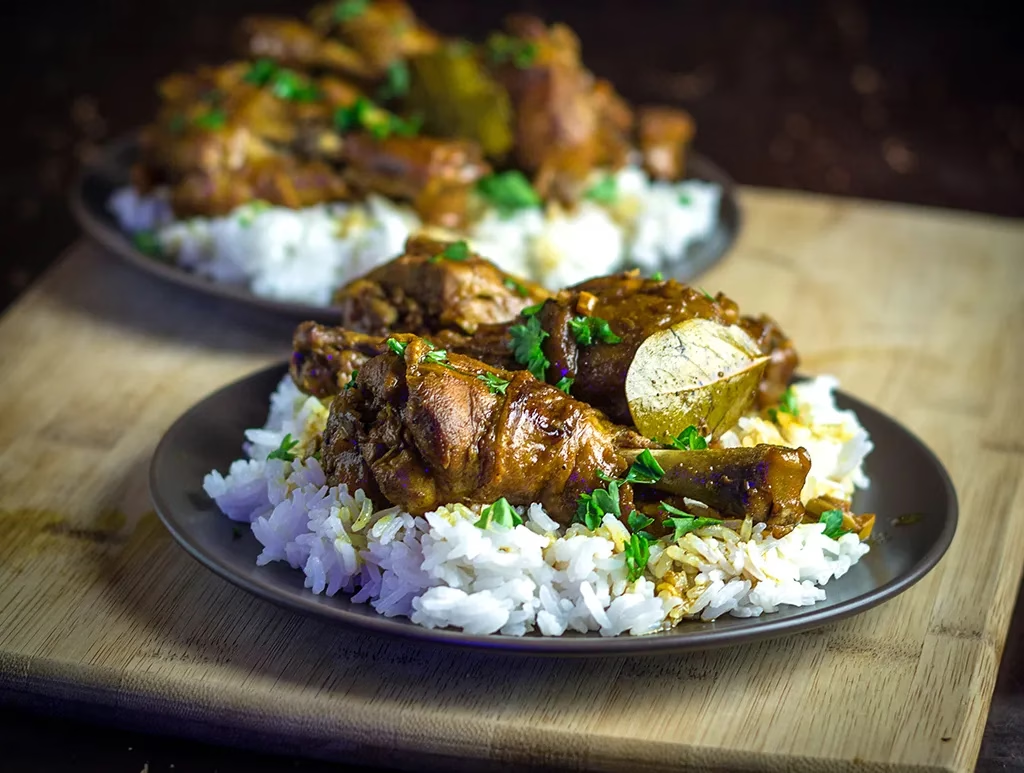
Adobo is best served hot over steamed white rice, which perfectly complements the savory sauce. Consider serving it with a side of pickled vegetables or a simple salad for a touch of freshness. Garnish with chopped green onions or fried garlic for added flavor and texture.
Different Types of Filipino Adobo
Regional Variations
As previously mentioned, the beauty of Adobo in the Philippines lies in its regional variations. Here are a few popular ones:
- Adobo sa Gata: A creamy version made with coconut milk, commonly found in the Visayas region.
- Adobong Puti: This vinegar-based variant, without soy sauce, gives it a lighter color and flavor and is popular in some provinces.
- Adobo sa Mangga: A unique twist using green mangoes for added tanginess.
Modern Twists on Traditional Adobo
In recent years, chefs and home cooks alike have put their spin on the classic Adobo. Some famous modern adaptations include:
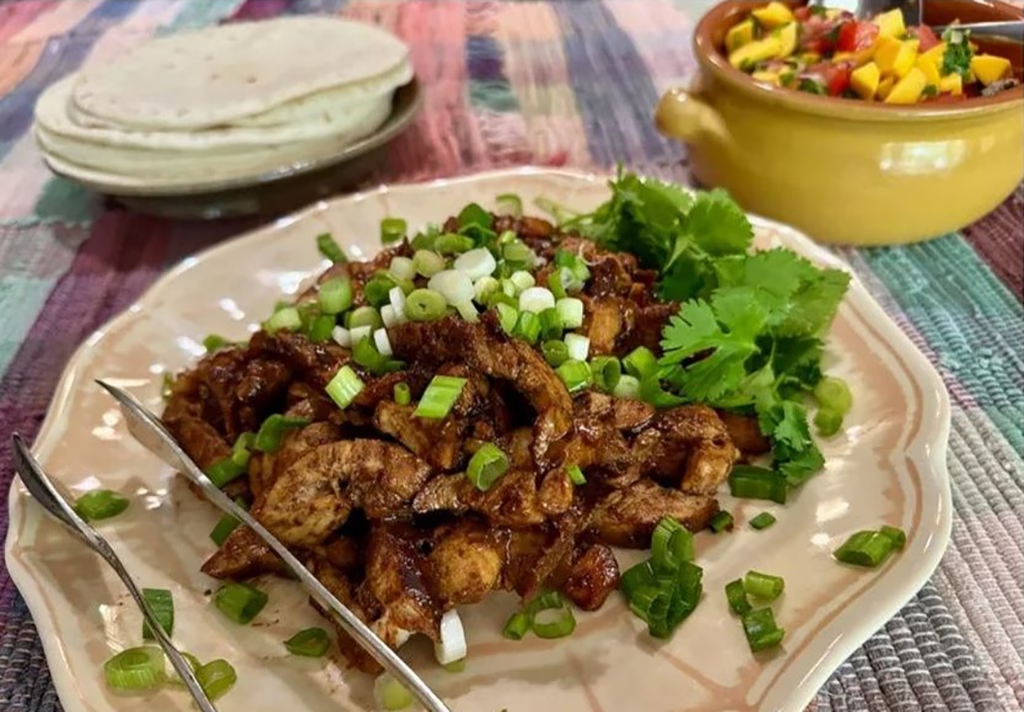
- Adobo Tacos: A fusion of Filipino and Mexican cuisine, using Adobo as a taco filling.
- Adobo Pasta: A delightful mix of flavors, combining pasta with Adobo sauce for a unique dish.
These creative adaptations highlight the versatility of Adobo, making it a beloved dish enjoyed in countless ways!
Frequently Asked Questions (FAQ)
1. How do I prepare Filipino Adobo?
To prepare Filipino Adobo, marinate your choice of meat in a mixture of soy sauce, vinegar, garlic, bay leaves, and black peppercorns. Sauté the meat until browned, add the marinade, and simmer until tender. Serve over rice for a delicious meal!
2. What is the recipe for Filipino Adobo?
The basic recipe for Filipino Adobo involves marinating chicken or pork in soy sauce, vinegar, garlic, and spices before simmering. You can customize the recipe with additional ingredients to suit your preferencesFilip.
3. What are the different types of Filipino Adobo?
There are various types of Filipino Adobo, including Adobo sa Gata (with coconut milk), Adobong Puti (without soy sauce), and regional variations incorporating local ingredients. Each brings a unique flavor to this beloved dish.
Conclusion
Adobo is more than just a dish; it’s a culinary experience that connects us to the Philippines, its culture, and its people. Whether you enjoy a traditional Filipino Adobo recipe or a modern twist, Adobo will bring warmth and comfort to your table. So why not try making your very own Adobo recipe from the Philippines today? Gather your ingredients, follow the steps, and savor the delightful flavors that have captivated generations. Remember, cooking is not just about the food but also about sharing and creating memories with loved ones. So, gather your family or friends, share a meal, and enjoy the rich, flavorful experience of Adobo together. Happy cooking!
Other Articles that may be of Interest
You may also find the following articles interesting.
- The Unique Sinulog Festival of Cebu: A Display of Culture and Cuisine
- The Amazing Visayan Islands: The Culture of Negros Island
- Astonishing Iloilo, Philippines: Journey of Heritage, Flavor, and Adventure
- Travel Tips for First-Time Visitors to the Philippines
SUGGESTIONS FOR LODGING AND TRAVEL
Lodging is widely available throughout the Philippines. However, you may want to get some assistance booking tours to some of the Philippines’ attractions. I have provided a few local agencies that we’ve found very good for setting up tours. For transparency: We may earn a commission when you click on certain links in this article, but this doesn’t influence our editorial standards. We only recommend services that we genuinely believe will enhance your travel experiences. This will not cost you anything, and I can continue to support this site through these links.
Tour and Local Lodging Assistance
- Guide to the Philippines: This site specializes in tours throughout the Philippines. They seem to have some flexibility in scheduling, and pricing is very competitive.
- Hotel Accommodations: I highly recommend The Manila Hotel for your stay in Manila. It is centrally located, and many attractions are within reach. I have provided a search box below for you to use to search for Hotels (click on “Stays” at the top) or flights (click on “Flights” at the top). This tool will provide me with an affiliate commission (at no cost to you).
- Kapwa Travel is a travel company focused on the Philippines. It specializes in customizing trips to meet customers’ needs.
- Tourismo Filipino is a well-established company that has operated for over 40 years. It focuses on tailoring tours to meet customers’ needs.
- Tropical Experience Travel Services – Tours of the Philippines: This company offers several tour packages, allowing you to customize your trip.
Lastly, we recommend booking international travel flights through established organizations rather than a local travel agent in the Philippines. I recommend Expedia.com (see the box below), the site I use to book my international travel. I have provided a search box below for you to use to search for flights (click on “Flights” at the top) or Hotels (click on “Stays” at the top). This tool will provide me with an affiliate commission (at no cost to you).