The last time I crossed from Hagnaya to Bantayan Island, the ferry was full of locals coming back from the market in San Remigio. I was the only foreigner on board. The crossing costs less than fifty pesos and takes about an hour. I spent most of it talking to a woman named Alicia who sold dried squid at the Santa Fe market. She told me the number of foreign visitors on the island had roughly doubled in two years. She wasn’t sure if that was good or bad. I told her I thought it depended entirely on which visitors showed up.
That exchange captures something real about Visayan Islands tourism that most travel articles skip over. The Visayas draws visitors for good reasons. Boracay, Panglao, and Malapascua have all earned their reputations. But the infrastructure built around those names filters what visitors see. Six beaches across Cebu and Bohol sit just outside that filter. This article maps them.
What Visayan Islands Tourism Gets Right, and What It Misses
Visayan Islands tourism has matured over the past 30 years into something genuinely world-class in its best versions. The dive infrastructure around Malapascua and Balicasag is excellent. Ferry connections between the major Visayan islands are reliable and cheap by any standard. The hospitality is consistent and real, not performed for tips.
What it misses is proportion. The marketing machine for the Philippines’ beach tourism has converged on about a dozen destinations, and a visitor following the standard circuit sees a version of the Visayas that represents maybe ten percent of what’s actually there.
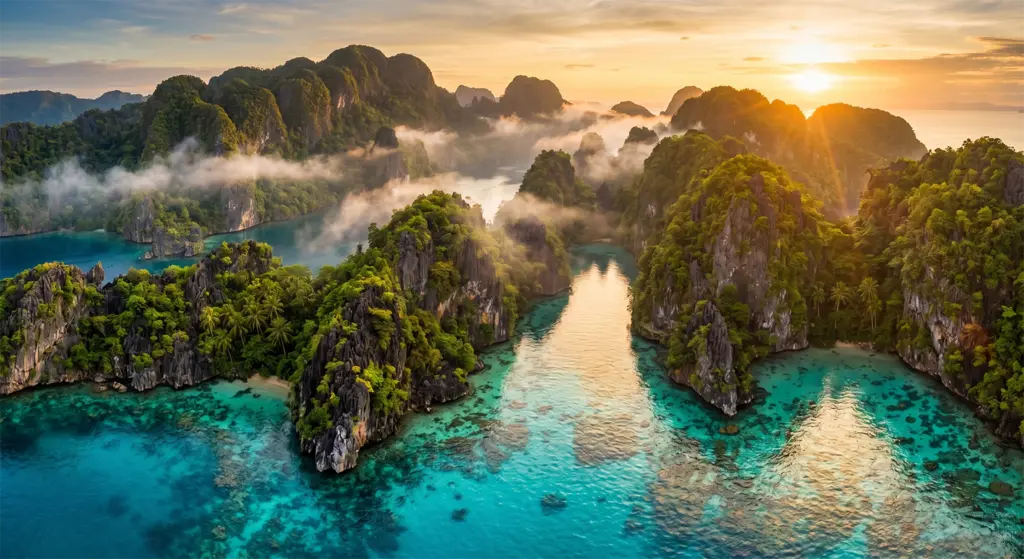
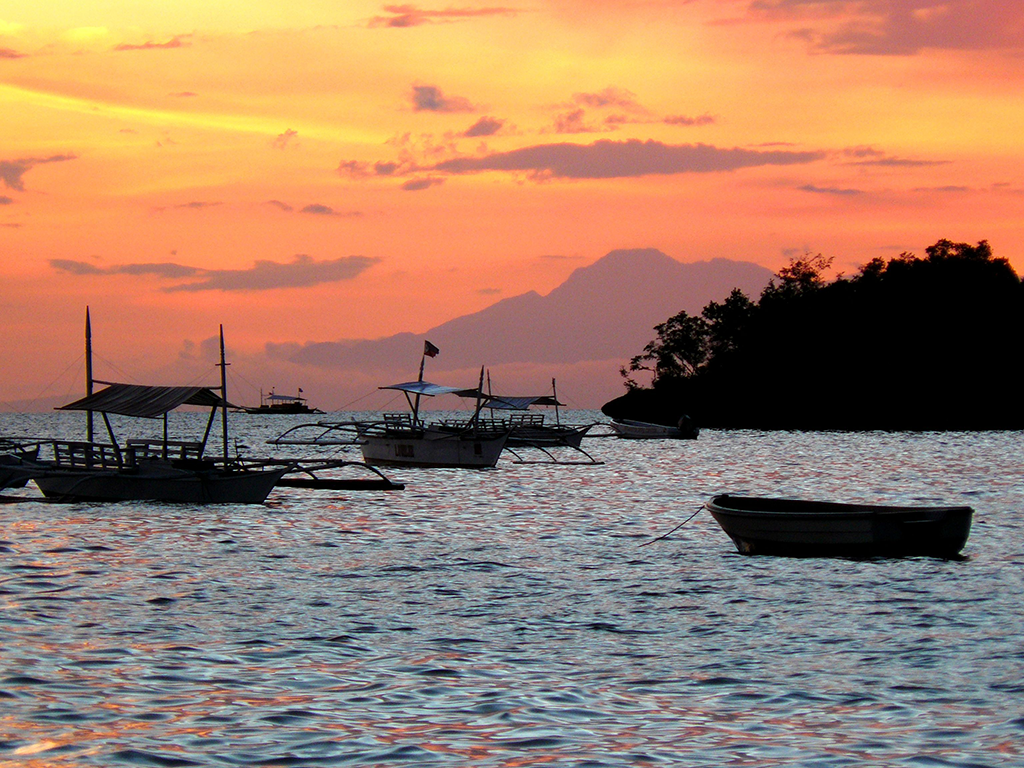
The other 90 percent isn’t inferior. It’s quieter. A fishing village where a resort hasn’t opened yet. A beach that doesn’t have a boat tour service because the community hasn’t needed one. A stretch of coast where the water is just as clear as the famous spots, but the only structures within eyesight are bangka boats pulled above the tide line.
The six destinations in this article sit in that quieter range. None requires a chartered flight or a private boat. None are on the standard package itinerary either. That distinction matters for Visayan Islands tourism as a whole: what you see depends almost entirely on which circuit you choose.
Three Cebu Beaches Worth the Detour
Cebu Island’s coastline extends far beyond the resorts of Mactan and the dive boats at Monad Shoal. The three destinations below sit within day-trip or overnight range of Cebu City and represent the range of what less-visited Visayan Islands beaches actually look like.
Bantayan Island
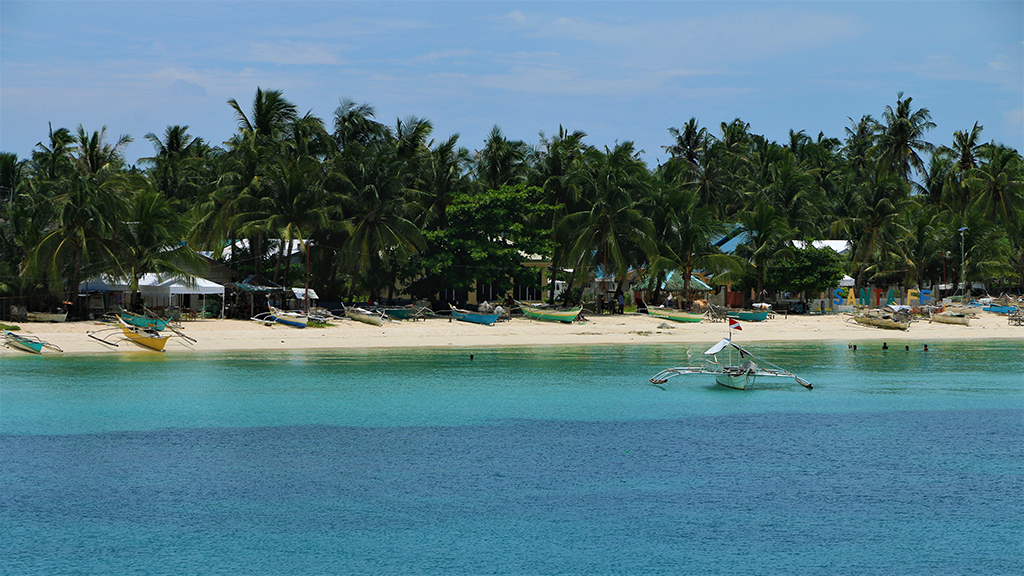
Getting to Bantayan requires a three-hour bus ride from Cebu’s North Bus Terminal to Hagnaya, followed by an hour’s ferry crossing to Santa Fe. On most travel maps it registers as a secondary destination. In person, it’s one of the more genuinely relaxing places in Visayan Islands tourism.
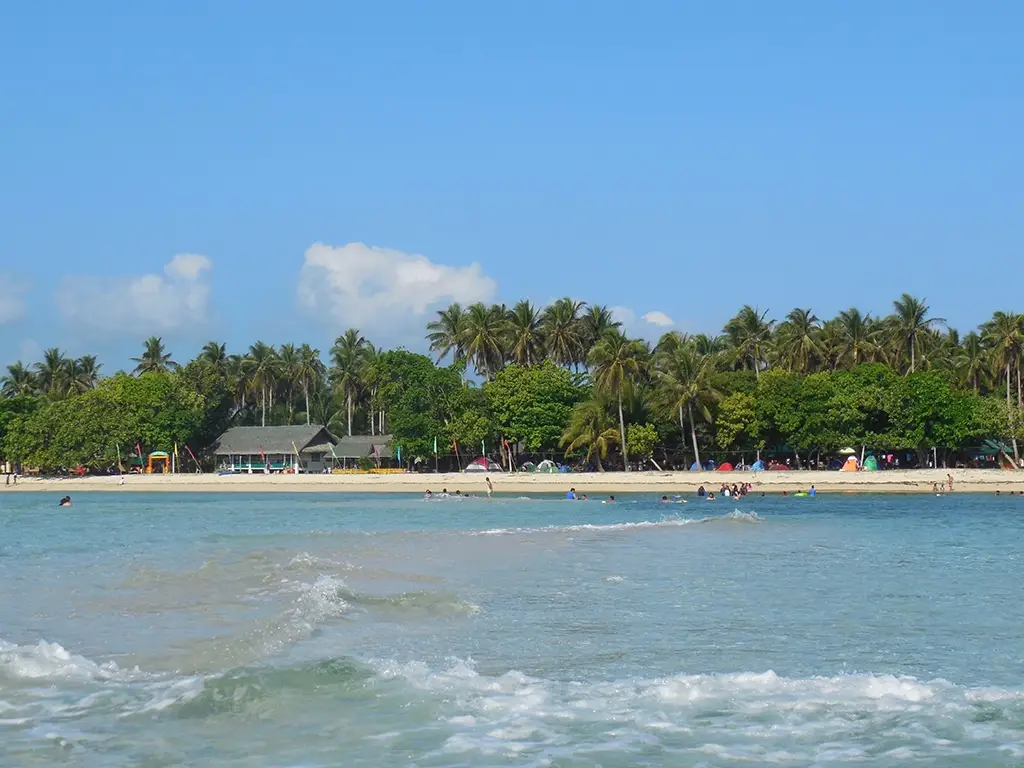
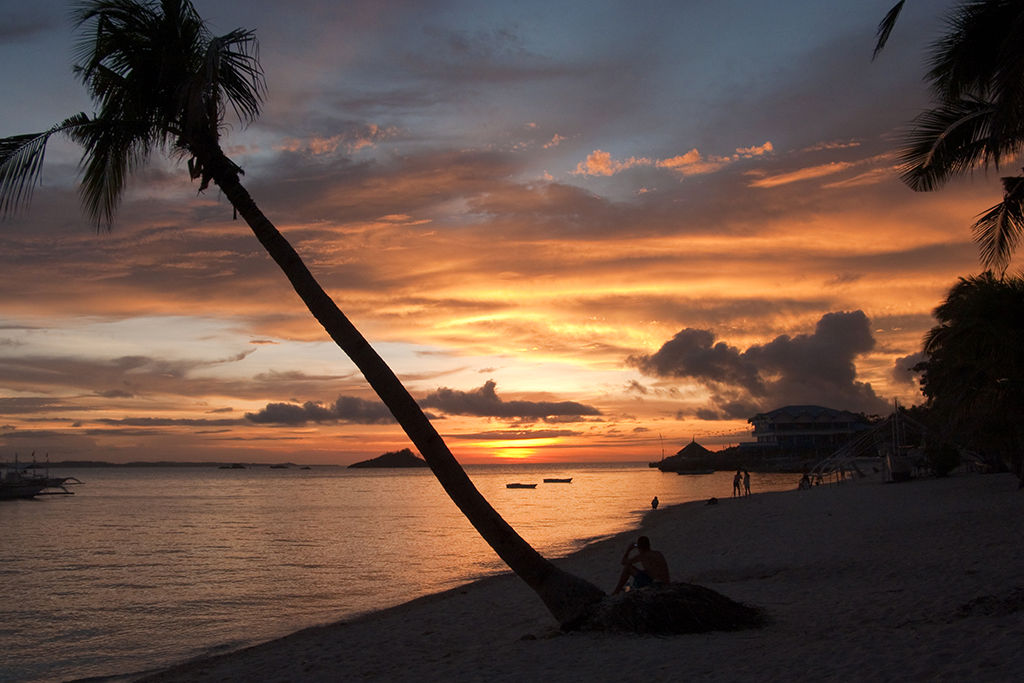
The beaches on the western coast, around Santa Fe and Ogtong Cave, have the powdery white sand and calm shallow water that the more famous spots charge resort rates to access. The local fishing industry is active and visible. Bangkas head out before dawn and return late morning. The pace of the island isn’t manufactured for tourism. It’s a working community that happens to have an excellent beach.
Alicia, from the ferry, put it plainly: “The young people can earn more from the resorts now than from fishing. That’s good and bad at the same time.” That kind of nuance doesn’t make the brochure. It’s exactly what makes Bantayan worth visiting. Budget rooms in Santa Fe run 800 to 1,500 pesos per night. The ferry from Hagnaya costs under 200 pesos each way.
Malapascua Island
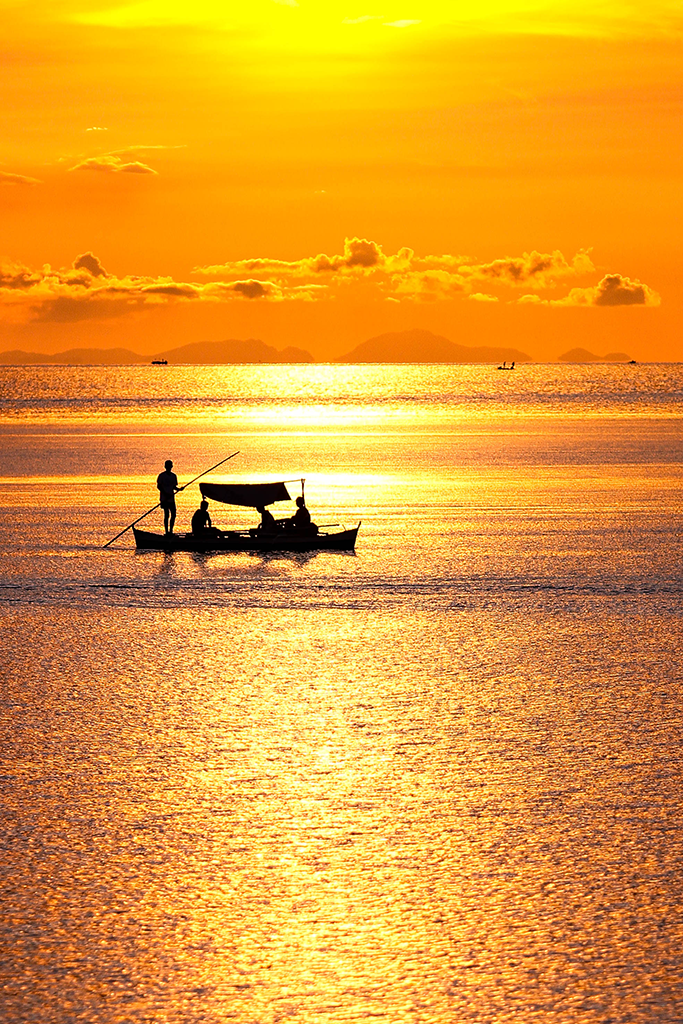
Malapascua sits in the Visayan Sea north of Cebu’s tip, four hours by road from Cebu City to Maya, then a 30-minute banca to the island. The thresher shark diving at Monad Shoal has built an international reputation, but outside the dive community, the island remains genuinely low-key.
The thresher sharks are real and worth understanding properly. They gather at Monad Shoal before dawn to have parasites cleaned by smaller fish. The dive happens at 5 am, descending to around 25 meters. If conditions are right, the sharks appear. It’s not a guarantee. In six visits, I’ve seen them clearly four times. The other two times I counted tail sightings as partial credit and considered myself ahead on the deal.
Above water, Malapascua rewards less ambitious visitors. The beach at Bounty Bay is narrow and uncrowded. The village behind it operates at a pace that Mactan’s resorts couldn’t replicate. Accommodation runs from basic pension at 600 pesos to mid-range dive resorts at 2,500 to 4,000 pesos.
Camotes Islands
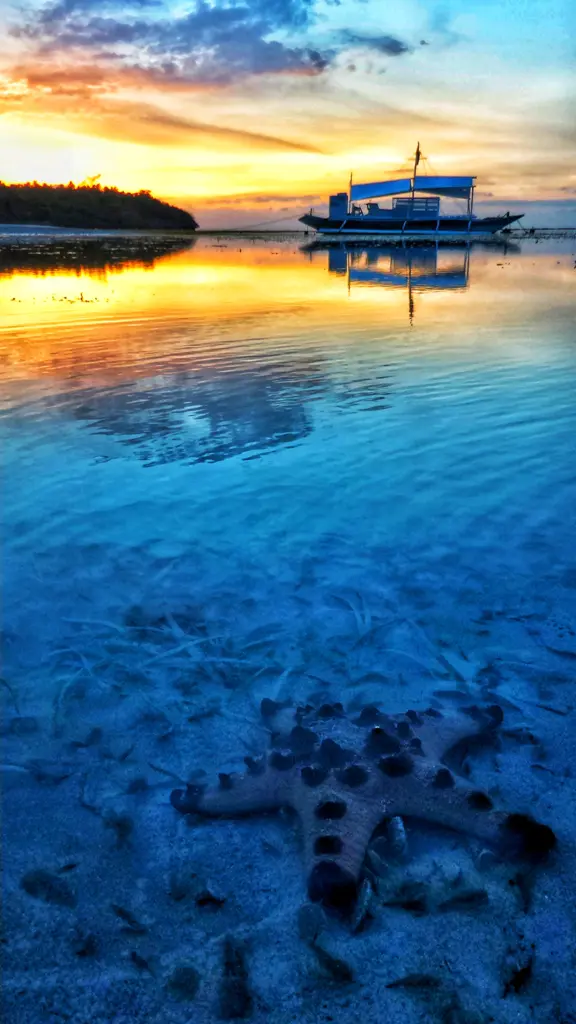
The Camotes Islands are four small islands in the Camotes Sea between Cebu and Leyte. The ferry from Cebu City’s Pier 1 takes two hours. They receive a fraction of the attention given to Bantayan and Malapascua, despite offering comparable beaches and a feature neither of those islands has: Lake Danao, a freshwater lake in the middle of Pacijan Island that borders the open sea. The geographical logic of it is strange. The lake itself is calm, clear, and surrounded by forest.
Santiago Bay Beach on Pacijan has some of the clearest water I’ve seen outside of Palawan. The sand is coarser than Bantayan, but the water color is exceptional: deep green transitioning to blue at chest depth. The island is small enough to be covered by habal-habal in 30 minutes. Most accommodation is family-run and unlisted on booking platforms. You show up or call ahead through the ferry operators.
Three Bohol Shores Away from the Tour Circuit
Bohol’s tourism footprint clusters around the western coast, including Tagbilaran City, the Loboc River, Chocolate Hills, and Alona Beach on Panglao. The eastern peninsula gets almost none of that traffic, which is its greatest asset. The three destinations below are among the least-visited stretches of coastline in Visayan Islands tourism.
Anda Beach, Bohol
Anda is a municipality on the eastern peninsula of Bohol, roughly 120 kilometers from Tagbilaran by road. That distance is both the reason it’s under-visited and the reason it’s worth visiting. The western tourist circuit doesn’t extend this far. The road journey takes about two and a half hours by bus or rented motorcycle, and that alone filters out the day-trippers.
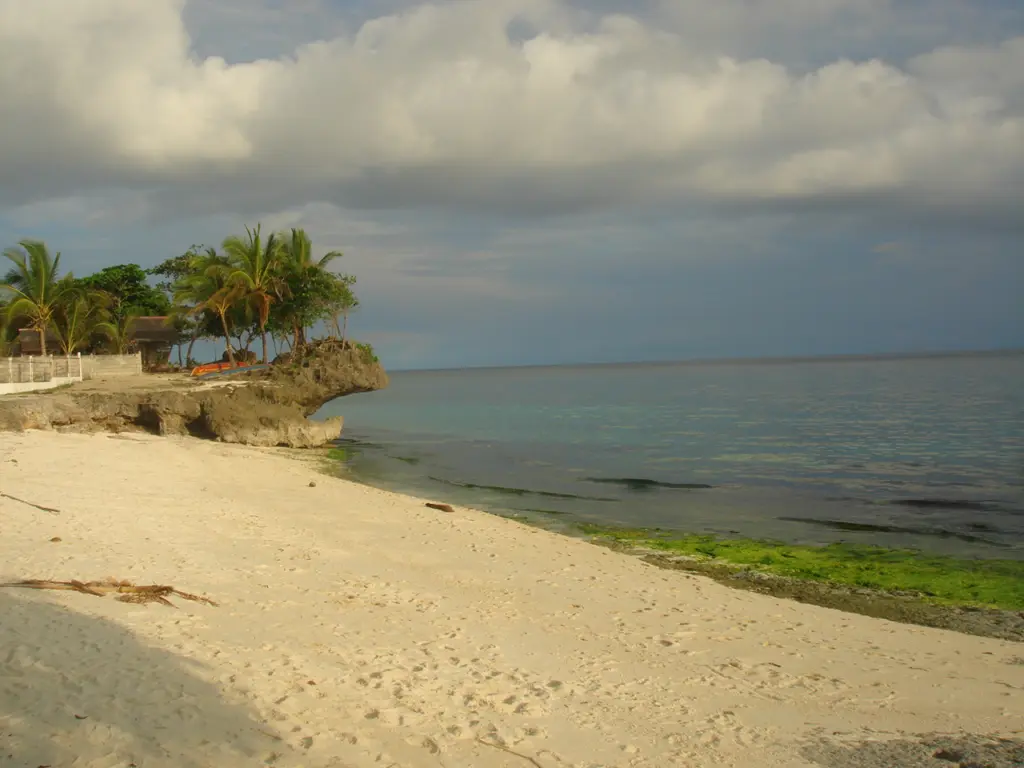
The beach at Anda covers several kilometers of white sand along a sheltered bay. The reef offshore is accessible without a boat. The town is quiet, the market runs in the mornings, and not much happens after 8 pm. There are small resorts and pension houses. There are no beach bars.
A barangay captain named Eugenio, whom I spoke with near the beachfront, told me the municipality had been deliberately choosing a slow pace of development. “We’ve seen what happened in Alona,” he said. “We’d rather build it properly the first time.” Whether that policy holds as Anda gets discovered depends on decisions being made right now.

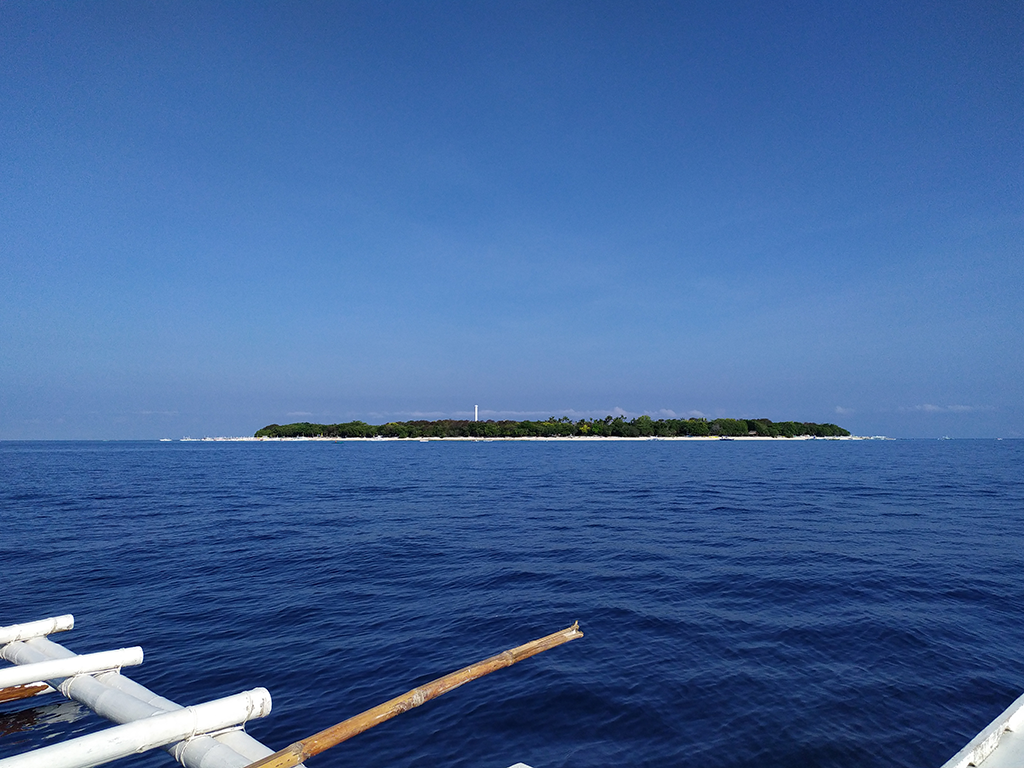
Balicasag Island
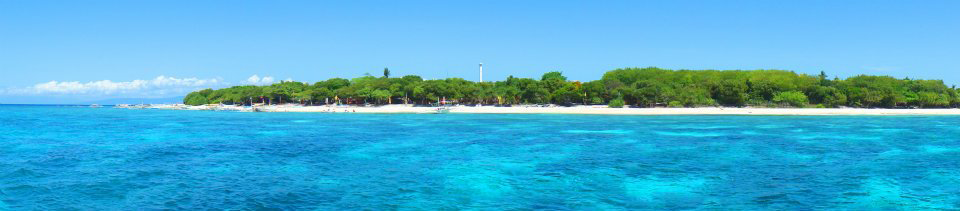
Balicasag Island is a 45-minute banca from Panglao and is officially a marine sanctuary. That protection is enforced, and the reef shows it. The coral coverage and marine life density are among the best I’ve seen in the Philippines. That’s not a subjective impression. Visibility is measurable, coral bleaching is absent, and the turtle population at the island’s eastern sanctuary is large enough that encounters are likely rather than occasional.
The sardine run that occurs seasonally around Balicasag produces one of the more dramatic underwater spectacles in the Visayas. A bait ball of sardines surrounded by larger predators from below and seabirds from above is the kind of thing that justifies the two-day journey from Manila all by itself.
Panglao Island’s Quieter Side
Panglao Island is on every Bohol itinerary, which shouldn’t disqualify it from this list. The island is large enough that development at Alona Beach hasn’t absorbed the rest of the coastline. The eastern side between Danao Beach and Momo Beach stays genuinely quiet.
The distinction matters more broadly for Visayan Islands tourism. Popularity doesn’t automatically degrade a destination. What degrades it is when local characters get replaced by generic resort infrastructure. On Panglao, that process has occurred at Alona and is progressing southward in some areas. Walk 15 minutes north of the established spots, and the beach quality is identical, while the crowds are not. That gap won’t exist permanently.
Accommodation on Panglao runs from 500 pesos for a basic room to 5,000 pesos at the higher-end resorts near Alona. For the quieter eastern beaches, ask pension houses about three-night rates. Most will negotiate.
Getting There: What Each Destination Requires
All six destinations are reachable by public transport from Cebu City or Tagbilaran City. Bantayan and Malapascua use the northern Cebu bus and ferry terminals. Camotes Island ferries run from Pier 1 in Cebu City. For Bohol, fly or take the fast ferry from Cebu to Tagbilaran, then either rent a motorcycle or take a bus east to Anda, or south toward Panglao and the Balicasag day-trip departure point.
If you’re combining multiple destinations on both islands, budget for 7 to 10 days. Each of these places rewards slowing down, and ferry schedules don’t accommodate a plan that tries to see all six in four days.
To explore broader Philippines trip planning, including inter-island ferry logistics, see the Philippines Travel Guide.
For destinations further off the Visayan circuit, including Pacific-side islands: Hidden Beaches in the Philippines: Five Destinations Most Travelers Never Find.
For diving-specific Visayas planning, the Cebu Island section on this site covers the underwater geography in detail: Cebu Island Aquatic Paradise.
One Thing Worth Saying Before You Go
Visayan Islands tourism is in a transition. The destinations that were “undiscovered” ten years ago are now receiving enough attention so that the word no longer fits. Bantayan has doubled its foreign visitor count over the past two years, according to Alicia’s accounting. Anda Beach already has municipal officials monitoring what happened at Alona Beach and working to avoid a repeat.
The honest question isn’t whether these places are still worth visiting. They are. The question is: what kind of visitor do you intend to be when you get there? The infrastructure that allows a foreign tourist to spend a week in the Visayas at low cost is built on decades of local generosity, community labor, and a natural environment that wasn’t created by the tourism industry and won’t be maintained by it automatically.
Every traveler who shows up on Bantayan Island or Anda Beach is making a small vote on what those places become. You can vote for the kind of tourism that improves a community or the kind that hollows it out. Most people don’t think of it that way. That’s part of the problem.
The Visayas will keep being beautiful regardless of what you decide. The question is whether it stays honest.
For practical guidance on responsible travel across the Philippines, see: Responsible Tourism Philippines.
Frequently Asked Questions
Is Bantayan Island worth the trip from Cebu City for a short visit?
Yes, if you commit the full day to the journey rather than squeezing it in as a rushed excursion. Total travel time from Cebu City is roughly four hours each way: three hours by bus to Hagnaya and one hour by ferry to Santa Fe. That rules out a same-day return unless you’re comfortable arriving back after midnight. Stay at least two nights.
The beaches are best at low tide in the early morning, the fishing village rhythm is worth experiencing over an evening and a full day, and the ferry crossing produces conversations with locals that don’t happen in a resort taxi. Budget accommodation runs 800 to 1,500 pesos per night in Santa Fe. For a two-night trip including ferry, bus, accommodation, and food, budget 3,000 to 4,000 pesos. As an entry point into what the Visayan Islands tourism actually offers beyond the package circuit, Bantayan is one of the most efficient destinations on this list.
What is the best way to see the thresher sharks at Malapascua?
Book a dive operator before you arrive on the island, not after. The 5 am dive at Monad Shoal fills the evening before, especially from November through May. When choosing an operator, ask specifically about the group size for the morning Monad dive. Groups larger than eight change the underwater experience: more bubbles, more movement, less chance the sharks hold position long enough for a clear look. The dive is a drift dive at 22-28 meters. If you’ve never done a drift dive, do a shakeout dive the afternoon you arrive, before committing to the 5 am trip.
The sharks are present year-round, but sightings are most consistent from November to May. June through October is possible, but sea conditions make the crossing rougher and visibility less predictable. On my first visit, the boat captain told me to manage expectations. That was good advice. On a good day at Monad Shoal, you immediately understand why people come back. On an off day, the dive itself is still exceptional.
Can I visit Balicasag Island without a guided tour?
Technically, yes, but practically, it requires more planning than the tour option. The island is a marine sanctuary, and to access the surrounding waters, you need a local guide registered with the sanctuary authority. Most operators running day trips from Alona Beach include the guide fee in the banca price, so booking through them is the path of least resistance.
If you want to go independently, hire a private banca from the Alona Beach area and ask your operator to arrange the required guide on arrival at Balicasag. Expect to pay a slightly higher total cost than the group tour, but gain flexibility in timing. The advantage of arriving before the tour groups matters: the first hour of the morning on the reef is a different experience from the same reef at 10 am with four group boats anchored nearby. The turtle sanctuary on the eastern side of the island is managed separately and requires its own guide fee, usually 200 to 300 pesos. Don’t skip it. The turtle density there is unusually high, and the interactions, while passive on the turtles’ part, are among the most reliable wildlife encounters in Visayan Islands tourism.
How difficult is the journey to Anda Beach from Tagbilaran?
The journey to Anda is straightforward but time-consuming. From Tagbilaran City, take a bus or jeepney heading east toward Jagna, then transfer to one heading toward Anda. Total road time is roughly two to three hours, depending on connections. The alternative is renting a motorcycle in Tagbilaran and riding the coastal road, which takes about the same time but gives you the flexibility to stop at the Loboc River or the Bohol Butterfly Conservation Center on the way, turning the journey itself into part of the experience. Anda is worth the trip.
The eastern peninsula of Bohol is the version of the island that the tour circuit doesn’t show. The road runs along or near the coast for much of the journey, and the scenery changes noticeably as you move away from the western tourism infrastructure. Once you arrive, Anda is a walkable town where the beach is literally at the end of the main street. The accommodation options are limited but reliable, and the local market opens early, offering fresh catch from the previous night’s fishing.
Are the Camotes Islands suitable for families with children?
Yes, and in some ways, they’re better suited for families than the more famous Visayan Islands beaches. The sea around Pacijan and Poro islands is generally calm and shallow along the main bay beaches, which makes them safer for young swimmers than the exposed Pacific-facing beaches on other islands. Lake Danao on Pacijan is a freshwater option for a break if the children want one. The lake is suitable for swimming and offers pedal boats. The main limitation for families is the accommodation situation.
Most guesthouses on the Camotes Islands are family-run and modest, without the pools and organized beach activity programs that larger resorts offer. If your children need structured entertainment or are accustomed to resort-grade facilities, the Camotes experience may feel sparse. But your family is comfortable with a slower pace: a beach in the morning, a market in the afternoon, an early dinner at a local eatery. The Camotes Islands are excellent for this. The ferry from Cebu City runs regularly, the crossing is gentle in most weather, and the absence of the resort infrastructure that defines so much of Visayan Islands tourism is, for the right family, exactly the point.
When is the best time of year to visit these Cebu and Bohol beaches?
November through April is the dry season across the Visayas and generally the most reliable window for beach travel. The northeast monsoon keeps the weather stable and the seas calm, particularly on the Cebu side. The Camotes Islands and Bantayan sit on the western side of Cebu and benefit most directly from this pattern. For Bohol’s eastern coast, including Anda Beach, the same window applies, although the occasional northeast swell can reach the Pacific-facing shores. February and March tend to produce the clearest water for diving and snorkeling across all six destinations.
Malapascua’s thresher shark diving peaks between November and May, which aligns with the general dry season window. Balicasag’s sardine run is seasonal and variable. Ask local operators for current conditions rather than relying on fixed dates, as the run can shift by several weeks depending on water temperature. If you’re traveling in the wet season, June through October, the Visayan Islands are still accessible and far less crowded. Storms require flexibility in scheduling, particularly for the ferry-dependent islands like Bantayan and the Camotes, but the rainfall is often concentrated in the afternoon, leaving mornings clear.
SUGGESTIONS FOR LODGING AND TRAVEL
Lodging is widely available throughout the Philippines. However, you may want to get some assistance booking tours to some of the Philippines’ attractions. I have provided a few local agencies that we’ve found very good for setting up tours. For transparency: We may earn a commission when you click on certain links in this article, but this doesn’t influence our editorial standards. We only recommend services that we genuinely believe will enhance your travel experiences. This will not cost you anything, and I can continue to support this site through these links.
Local Assistance
- Guide to the Philippines: This site specializes in tours throughout the Philippines. They seem to have some flexibility in scheduling, and pricing is very competitive.
- Hotel Accommodations: I highly recommend The Manila Hotel for your stay in Manila. It is centrally located, and many attractions are within easy reach. I have provided a search box below for you to find hotels (click on “Stays” at the top) or flights (click on “Flights” at the top). This tool will provide me with an affiliate commission (at no cost to you).
- Kapwa Travel is a travel company focused on the Philippines. It specializes in customizing trips to meet customers’ needs.
- Tourismo Filipino is a well-established company that has operated for over 40 years. It focuses on tailoring tours to meet customers’ needs.
- Tropical Experience Travel Services – Tours of the Philippines: This company offers several tour packages, allowing you to customize your trip.
Lastly, we recommend booking international travel flights through established organizations rather than a local travel agent in the Philippines. I recommend Expedia.com (see the box below), the site I use to book my international travel. I have provided a search box below for you to use to search for flights (click on “Flights” at the top) or Hotels (click on “Stays” at the top). This tool will provide me with an affiliate commission (at no cost to you).
Specific Lodging Suggestions
The following suggestions are provided for quick reference. You can also search for others using the search tool below if desired.