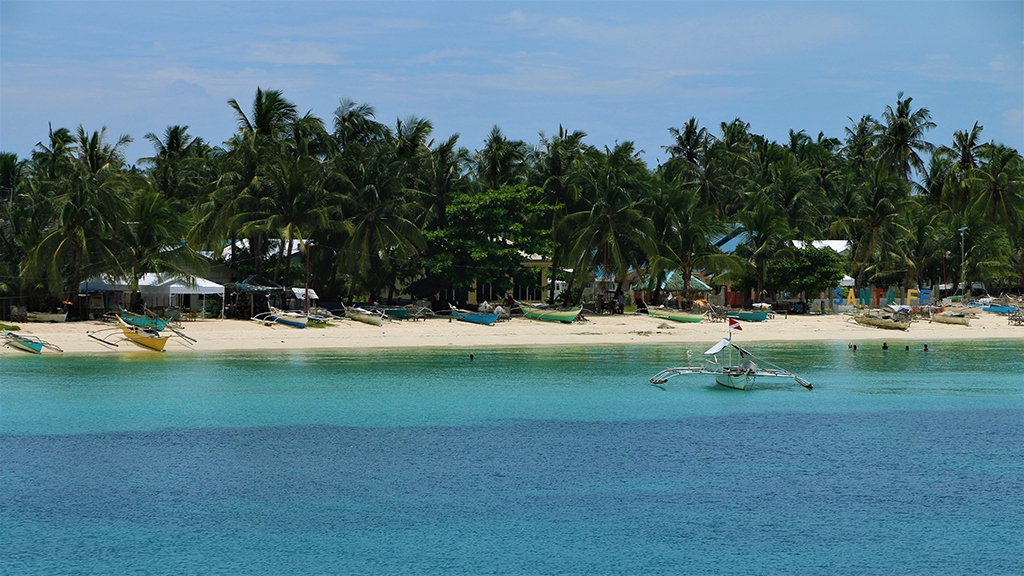
The first time I found Cagbalete Island, I wasn’t looking for it. I was on a bus outside Mauban in Quezon Province, talking to a man named Rolando who sold dried fish at the market. He mentioned, almost as an afterthought, that there was an island an hour offshore. At low tide, the sand went out so far you could walk to the next beach. He said tourists didn’t go there much. He said it as if that were a selling point.
It is a selling point. And Cagbalete is one of the Philippines’ hidden beaches that most travelers never discover. Not because they’re impossible to reach. Because they require more effort than booking a hotel on Boracay.
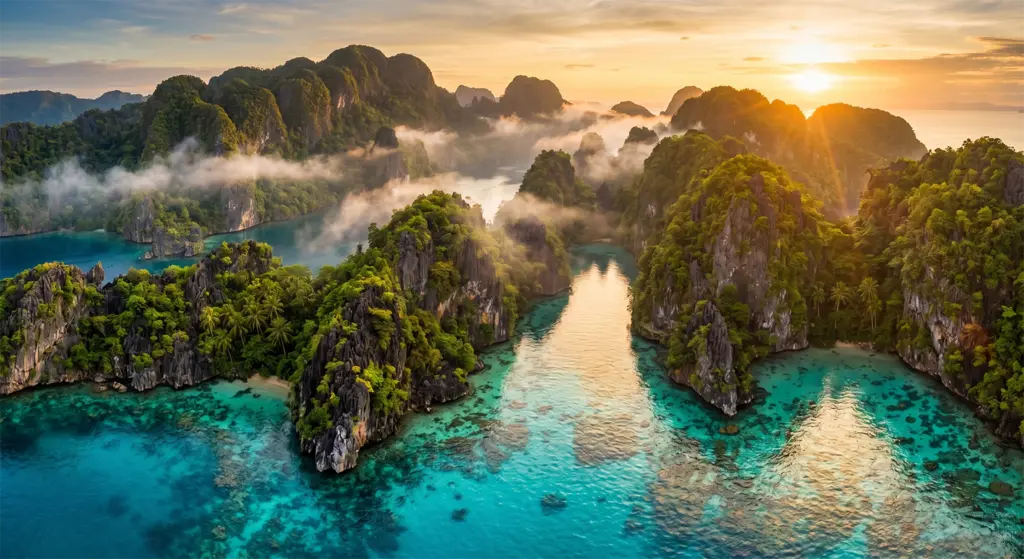
That effort is worth it. These aren’t consolation prizes for travelers who missed the famous spots. They are the real Philippines, the version that hasn’t been groomed for Instagram yet. This article covers five destinations. Four are coastal: Cagbalete Island in Quezon, Onuk Island in Palawan, Gumasa Beach in Sarangani, and Jomalig Island in Quezon. One is a mountain: Maligcong in Bontoc. All five will show you something the postcards leave out.
What Makes a Hidden Beach in the Philippines Worth the Effort?
The Philippines has over 7,000 islands. Most tourism funnels are in a dozen of them. That’s not a knock on Palawan or Siargao. Those places earned their reputation. But the concentration means that genuinely remote coastal spots remain accessible without the resort prices and the crowds.
The hidden beaches in the Philippines that I keep returning to share three qualities. First, you have to earn them. The journey requires a local bus, a banca boat, or both. Second, the communities near them are small enough that you’re a visitor, not an industry. Third, you can still find accommodation run by the family that owns the land.
Those three things don’t guarantee a good trip. They dramatically increase the odds of an honest one.
Five Destinations That Aren’t in the Guidebooks
Cagbalete Island, Quezon
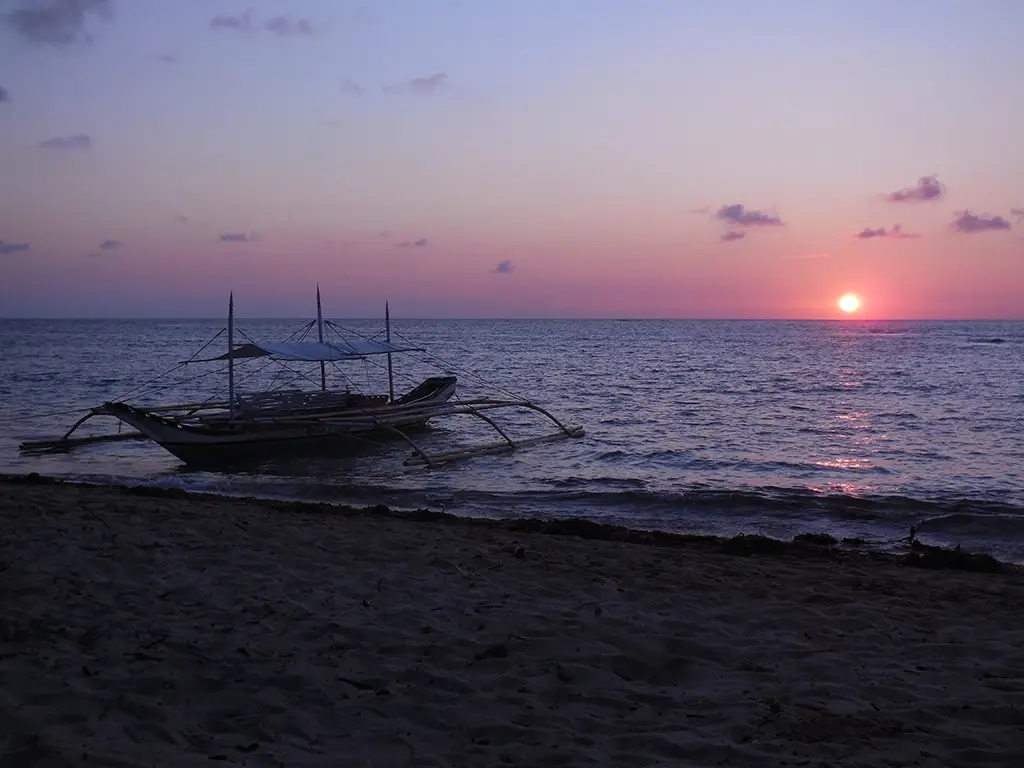
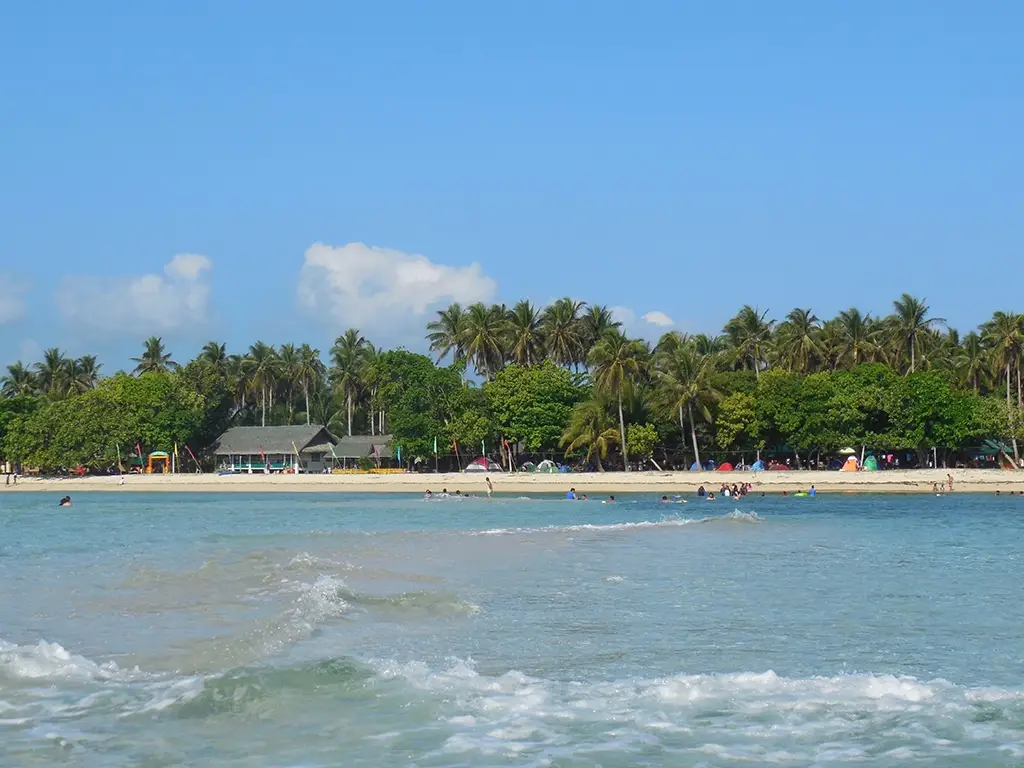
Getting to Cagbalete requires a bus from Manila to Mauban, followed by a 30- to 40-minute banca crossing. The crossing itself signals what’s ahead: you’re going somewhere that resists the shortcut.
The tidal flats on Cagbalete are what separate them from a typical beach stop. At low tide, the sand expands hundreds of meters in every direction. The water retreats so far that you’re left with tidal pools, exposed reef patches, and a landscape that changes completely every six hours. I’ve walked those flats at dawn with no one else in sight for a kilometer in any direction.
Rolando was right. Most tourists don’t make it here. But the families who run the small beachside accommodations know their island exactly. Teresa, who manages a handful of nipa huts near the main beach, told me her family has lived there for four generations. She reads the tides by looking at the mangroves. That’s the kind of local knowledge that belongs in a travel article.
Accommodation options are limited and basic. Expect nipa hut-style rooms at roughly 600 to 1,500 pesos per night, with meals arranged through your host. There is no resort infrastructure here, which is the point.
Onuk Island, Palawan
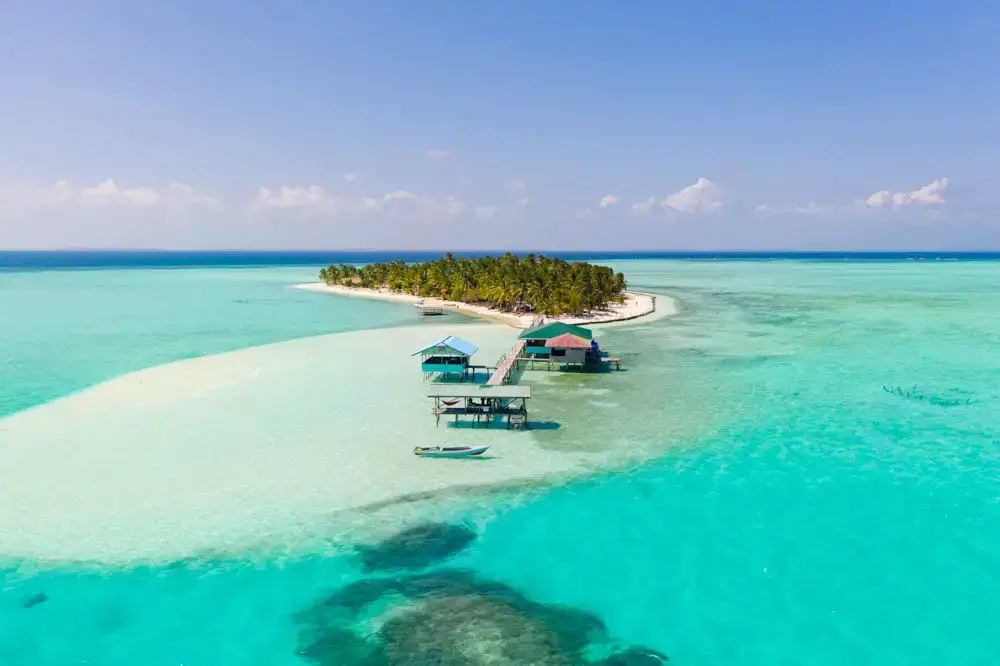
This island remains genuinely off the grid even by Palawan standards. Onuk sits in the Cagayancillo municipality of Palawan. That’s saying something, because southern Palawan alone has more undiscovered coastline than most countries.
The water clarity at Onuk is difficult to describe accurately without sounding like every other beach article. So let me be specific instead: I could see the bottom in water that came up to my chest. Not in a vague filtered-light way. Clearly, with detail, like looking through glass. The reef just offshore is shallow enough for snorkeling without renting equipment and diverse enough that a 45-minute swim yields a full survey of what’s down there.
Getting here requires more planning than most Palawan side trips. A boat from Cagayancillo is your access point, and logistics depend heavily on weather and local operators. This is not a trip you arrange the night before.
For a broader Philippines Travel planning context, the pillar section on this site covers island-hopping logistics across the archipelago: Philippines Travel Guide.
Gumasa Beach, Sarangani
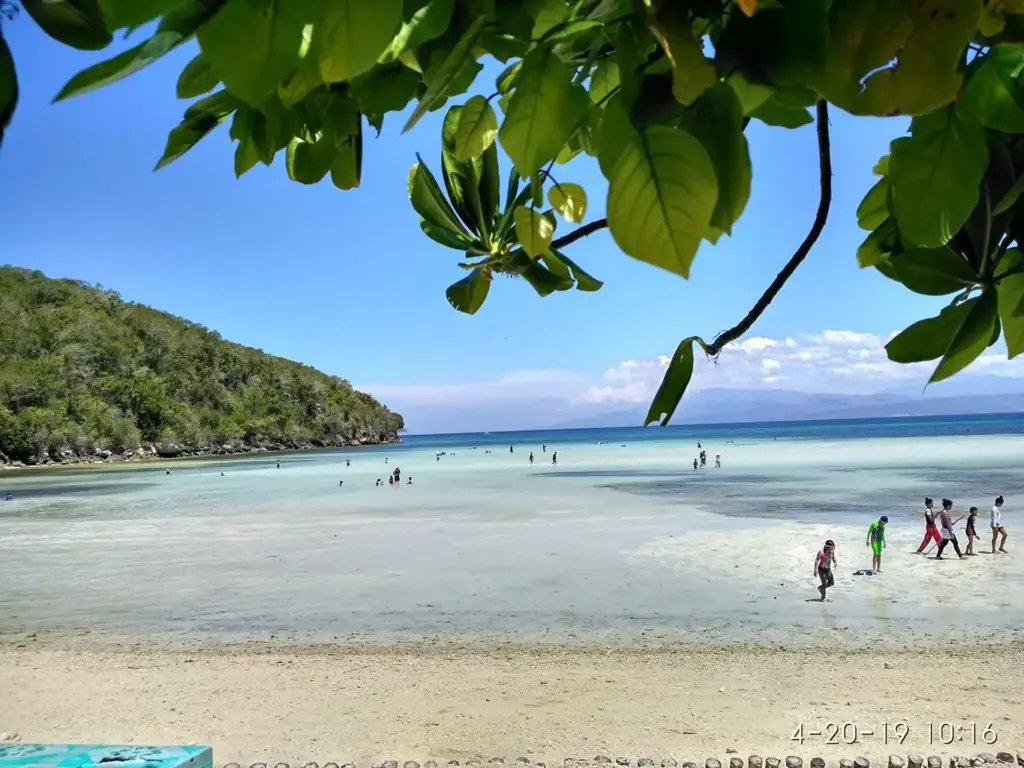
Gumasa Beach in Glan, Sarangani Province, is one of those places that locals have been quietly proud of for decades, while the rest of the country barely registers it exists. The beach runs roughly three kilometers of fine white sand along the Celebes Sea. The water color shifts from light green near shore to deep blue within a short swim, which indicates a gradual drop-off and a healthy reef.
Mindanao’s reputation has kept this beach underdeveloped longer than it deserves. Travelers who know their geography and understand that Sarangani is a long way from the conflict areas in Moro territory are rewarded with one of the quietest long-beach stretches in the country.
I spoke with a resort owner named Edwin, who has watched Gumasa slowly get discovered over the past decade. Five years ago, he might have seen two foreign visitors a month. Now it’s closer to two or three a week during peak season. He wasn’t sure how he felt about the change. “We want people to come,” he said, “but not so many that we end up like Boracay before the cleanup.” That’s a reasonable concern, and worth taking seriously if you visit.
Accommodation has expanded in recent years. Budget options start at around 800 pesos, and mid-range choices are available with advance booking.
Jomalig Island, Quezon
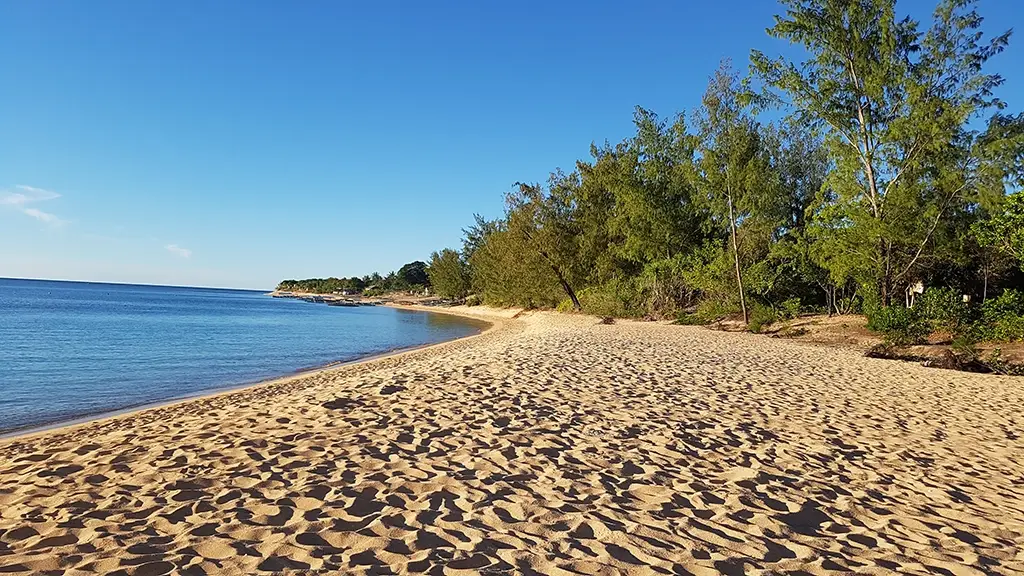
Jomalig is part of the Polillo group of islands on the Pacific Ocean side of Quezon Province. The Pacific Ocean side matters. The waves are larger, the coastline rougher, and the sea color deeper. You see a shade of dark blue on the Pacific that you don’t encounter on the sheltered western coasts.
The signature feature of Jomalig is the golden sand. Unlike the powdery white found across most of the archipelago, Jomalig’s beaches carry a warm amber tone from the volcanic mineral content. It reads as unusual in photographs and stranger in person.
Access requires a boat from Real, Quezon, and the crossing can take four to five hours depending on conditions. The Pacific isn’t forgiving when the weather turns, so travel timing matters here more than at most island destinations. The community is small and not organized around tourism. Accommodation is a homestay or a basic pension-style option. Plan meals through your host.
Maligcong, Bontoc
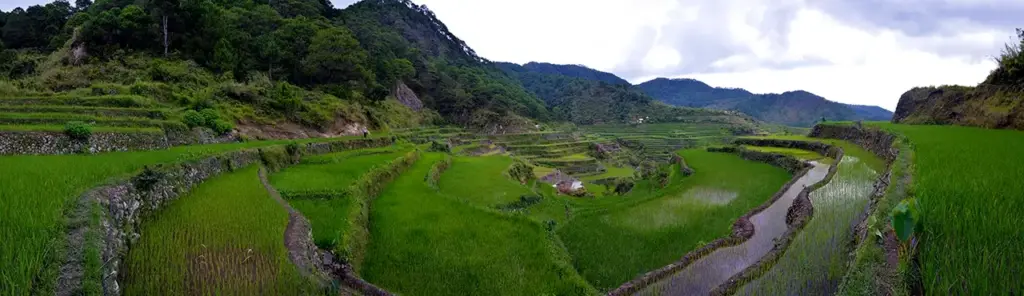
I’m including Maligcong because it belongs in this article even though it’s not a beach.
Maligcong is a barangay in Bontoc, Mountain Province, in the Cordillera region of northern Luzon. Its rice terraces are less visited than the UNESCO-listed Banaue terraces an hour away, which means they are less fenced off and more genuinely accessible. The Fowa-as Falls nearby require a short hike from the village.
The reason it fits here is that the appeal is identical to the beach destinations on this list: a place that rewards the traveler who veers off the obvious route. If you’re willing to get to Jomalig’s Pacific beach, you have the temperament for Maligcong’s mountain landscape.
For more on Luzon’s mountain culture and the terraces near Bontoc, see: The Amazing Banaue Rice Terraces.
Getting There: The Journey Is Not Optional
None of these destinations is served by direct commercial flights. Every one of them requires at least one stage of ground or water transport after arrival in the nearest city. That is not a weakness in the itinerary. It is the selection filter.
The traveler willing to take a four-hour bus ride and a 40-minute banca ride will find a different Philippines than the traveler who books a direct resort transfer. Local buses in the Philippines are cheap, functional, and full of people who will talk to you if you start the conversation. Those conversations produce more useful travel information than most guidebooks.
A practical note on bancas: always ask your operator about the weather window and confirm the return schedule before you leave. This is not a bureaucratic formality. It is how you avoid spending two extra nights on a small island with no ATM.
For guidance on planning your first multi-island trip, see “First Time Visitors Philippines.“
Before You Book a Resort
The growth in “hidden beach” content online is starting to work against the places it claims to promote. The more a destination is labeled “undiscovered,” the faster it gets discovered. Some of the spots in this article are in that transition zone right now.
The right response isn’t to keep secrets. It’s about traveling in a way that doesn’t exacerbate the problem. Stay with local operators when you can. Eat where the locals eat. Take your trash back to the nearest town if there’s no disposal infrastructure on the island. These aren’t complicated requests. They’re the baseline of responsible travel.
The Respectful Tourism section of this site covers this in more depth: Responsible Tourism Philippines.
There’s also a related article covering hidden coastal destinations in the Visayas that pairs well with this one: Visayan Islands: Hidden Beaches in Cebu and Bohol.
A Note Before You Go
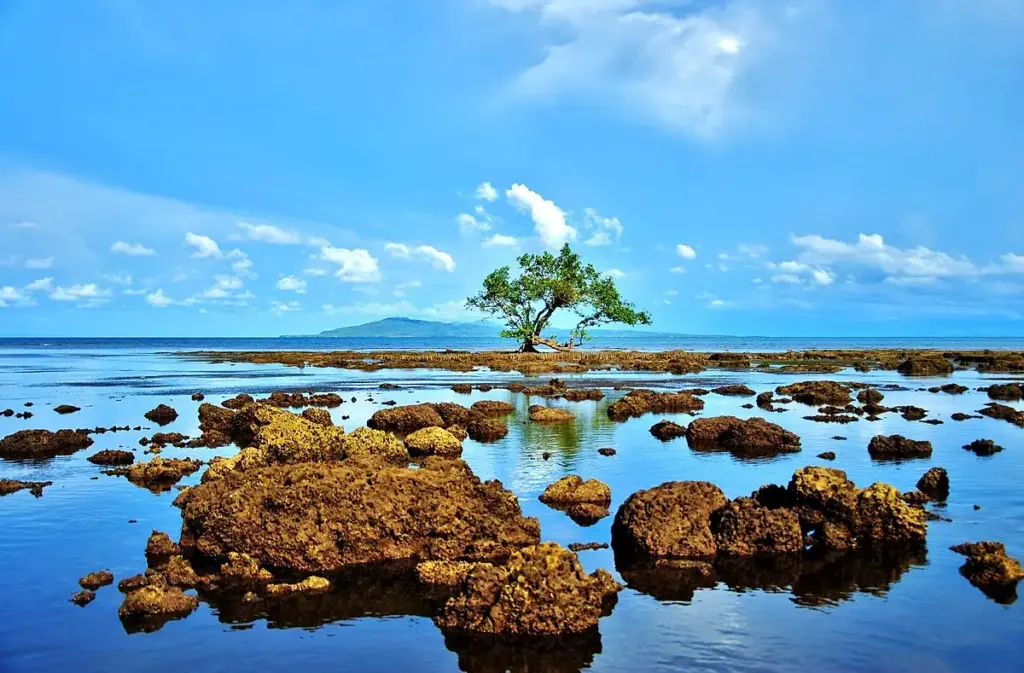
Here is the thing about hidden beaches in the Philippines: they are only hidden until enough people start writing about them. The cycle runs fast. An article appears calling it somewhere undiscovered, a few hundred travelers add it to their list, and within three seasons, it has resort development proposals and a weekend crowd.
I’m aware of the contradiction in publishing this article. The honest response to it is not to pretend these places don’t exist. It’s to ask that you hold them lightly. Go because you’re genuinely curious. Learn a few words of the local dialect before you arrive. Ask before you photograph. Pay what the local community charges without negotiating it down because you think the nipa hut isn’t worth 1,200 pesos a night.
The Philippines has welcomed strangers since long before tourism became an industry. That generosity is real. Whether it survives the next decade of discovery depends, in part, on how the people who show up choose to behave.
Just remember: you’re a guest here, not a conqueror. Act like it.
Frequently Asked Questions
What are the best hidden beaches in the Philippines for first-time visitors?
For first-time visitors wanting off-the-beaten-path beaches, Cagbalete Island in Quezon Province is the most accessible entry point on this list. It’s reachable from Manila in under four hours, the transport is straightforward, and the accommodation is basic but reliable. The tidal flats are genuinely unlike anything you’ll see at a resort beach, and the small community that runs the island’s homestays is used to orienting new visitors. Gumasa Beach in Sarangani is an excellent second option if you’re already planning a trip to Mindanao. Jomalig and Onuk require more logistical preparation and are better suited to travelers who’ve already done at least one remote island trip in the Philippines.
How do I get to Cagbalete Island?
Take a bus from Manila’s Cubao terminal to Mauban in Quezon Province. Travel time is roughly three to four hours, depending on traffic out of the city. From Mauban, a banca service operates to Cagbalete, and the crossing takes 30 to 40 minutes under normal conditions. Departure times depend on the tide and on your banca operator, so confirm both the going and return schedule before you leave the mainland. Nipa hut accommodation is available through local operators on the island. No advanced online booking system exists for most options, so ask at the Mauban port for current availability and pricing.
Is it safe to travel to Sarangani Province?
Yes, for most international visitors under current conditions. Sarangani is in Region XII in southern Mindanao, well east of the areas that carry active travel advisories. The province has an active local tourism office, and the communities around Gumasa Beach are accustomed to foreign visitors. That said, check your government’s current travel advisory for Mindanao before booking, because situations in the region can change. Being well-informed in Mindanao is not optional. It’s the same due diligence you apply to any destination outside your home country.
What should I pack for a trip to a remote Philippine island?
Pack lighter than you think you need to. The items that experience has taught me to carry without exception: cash in local currency (there are no ATMs on most small islands), a water filter or purification tablets, reef-safe sunscreen if you plan to snorkel, a head torch for evenings when generator power cuts at 10 pm, and a dry bag for anything electronic during the banca crossing. Avoid large suitcases on this type of trip. A daypack or small backpack is easier on local buses and boats. Any medications you rely on should be brought from home or purchased in Manila before you leave. Don’t count on provincial pharmacies to stock what you need.
Can I visit these hidden beach destinations as part of a package tour?
Most of them, no. And that’s mostly the point. A few operators in Manila and Cebu offer customized itineraries that include less-visited islands, but the standard package tour circuit doesn’t touch Jomalig, Onuk, or Maligcong. If you’re new to independent travel in the Philippines and want some scaffolding, a customized operator can be a useful starting point. The advantage of going independently, beyond cost, is the flexibility to adjust your timeline based on weather and local advice. That flexibility matters significantly when you’re crossing open water to reach a small island with limited infrastructure.
Is Maligcong really worth including in a beach-focused trip?
That depends on what you’re actually looking for. If the appeal of hidden beaches in the Philippines lies in escaping tourist infrastructure and the sense of being somewhere that hasn’t been packaged for resale, then Maligcong delivers exactly that. It just happens to be at altitude rather than at sea level. The rice terraces there are less photographed than the Banaue terraces 30 kilometers away, and the walk to Fowa-as Falls passes through a village where daily life is visibly unchanged by tourism. If you’re already planning northern Luzon, adding two days in Bontoc makes for a trip that’s genuinely different from the standard Philippine beach itinerary.
How do I find local guides for these destinations?
At most of these destinations, the local guide is the person who rows your banca or rents you the nipa hut. Formal guiding infrastructure doesn’t exist at Cagbalete, Jomalig, or Onuk. What you find instead is informal knowledge from the people who live there. Ask at the port or the market when you arrive. Someone will point you in the right direction, and the conversation itself usually tells you more than any listing you’d find online. For Gumasa Beach in Sarangani, local resort owners can connect you with guides for the surrounding marine areas. For Maligcong, the barangay hall is the practical starting point for anyone wanting a proper walk through the rice terrace sections.
Suggestions For Lodging and Travel
Lodging is widely available throughout the Philippines. However, you may want to consider getting assistance booking tours to some of the Philippines’ attractions. I’ve provided a few local agencies that we’ve found very good for setting up tours. For transparency, we may earn a commission when you click on certain links in this article, but this doesn’t influence our editorial standards. We only recommend services that we genuinely believe will enhance your travel experiences. This will not cost you anything, and I can continue to support this site through these links.
Local Lodging Assistance
Guide to the Philippines: This site specializes in tours across the Philippines, offering flexible scheduling and competitive pricing. I highly recommend them for booking local arrangements for a trip like this one. You can book flights and hotels through the Expedia link provided below.
Hotel Accommodations: I highly recommend The Manila Hotel for a stay in Manila. I stay here every time I travel to the Philippines. It is centrally located, and many attractions are easily accessible. Intramuros and Rizal Park are within walking distance. I have provided a search box below for you to use to find hotels (click “Stays” at the top) or flights (click “Flights” at the top). This tool will provide me with an affiliate commission (at no additional cost to you).
Kapwa Travel is a travel company focused on the Philippines. It specializes in customizing trips to meet customers’ needs.
Tourismo Filipino is a well-established company that has been operating for over 40 years. It specializes in tailoring tours to meet customers’ needs.
Tropical Experience Travel Services – Tours of the Philippines: This company offers a range of tour packages, allowing you to tailor your trip to your preferences. Lastly, we recommend booking international travel flights through established organizations rather than a local travel agent in the Philippines. I recommend Expedia.com (see the box below), the site I use to book my international travel. I have provided a search box below for you to use to find flights (click “Flights” at the top) or Hotels (click “Stays” at the top). This tool will provide me with an affiliate commission (at no cost to you).