Every traveler to Negros Island faces an early decision: which province to visit? A central mountain spine divides the island into two provinces, each with unique cultures, economies, and attractions.
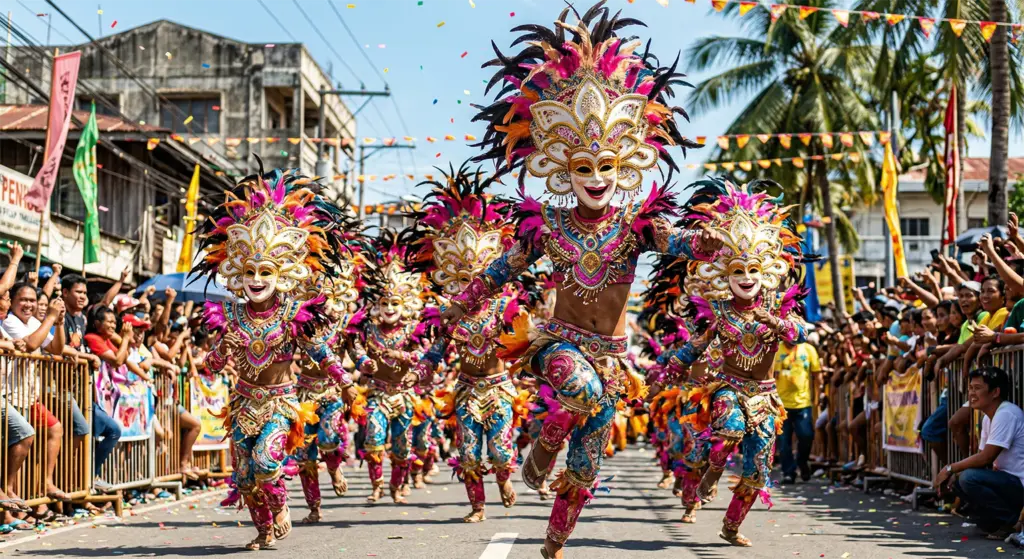
Negros Occidental, on the west, is known as the sugar province. Its capital, Bacolod, is the island’s largest city. The province features hacienda-style architecture and the famous MassKara Festival in October, one of the Philippines’ best street celebrations.
Negros Oriental, on the east, is known for its universities and marine life. Dumaguete, a small, walkable city, is home to Silliman University. Apo Island’s reef is one of Southeast Asia’s most famous dive sites. The province’s interior has 500 caves and a karst landscape, largely unexplored by coastal visitors.
The choice depends on your preferences, but many underestimate one province when visiting the other. A better approach is to explore both. Plan a route that crosses the mountain spine instead of treating the island as two separate destinations.
The Island at a Glance
Negros Island spans 13,310 square kilometers, making it the Philippines’ fourth-largest island. For comparison, it’s slightly larger than Maui, Hawaii.
The island’s central spine peaks at Mt. Kanlaon, an active stratovolcano and the highest point in the Central Philippines (2,465 meters). Sugar plantations dominate the western slopes of Negros Occidental, while the eastern slopes of Negros Oriental are steeper and more diverse. The eastern side transitions from cloud forests to karst interiors and coastal plains.
The island’s population is about 4.4 million, split between the two provinces. Bacolod City, the capital of Negros Occidental, is the more populous and economically dominant city. Dumaguete, the capital of Negros Oriental, is smaller but has a vibrant university character.
Other key cities include Kabankalan in southern Negros Occidental, San Carlos in the north, and Bais City on the Negros Oriental coast. Bais is a launch point for whale and dolphin watching in the Taon Strait.
The climate varies across the island, influenced by the mountain spine. Negros Occidental has a distinct dry season from December to May, ideal for sugarcane harvesting and visiting. Negros Oriental sees rainfall year-round, with heavier rains from November to January along the eastern coast.
The interior regions, such as Mabinay’s karst and upland forests, stay cooler than the coasts throughout the year. This cooler climate is particularly significant in the tropical Philippines.
Negros Occidental — Sugar Country and the City of Smiles
Negros Occidental reflects the legacy of its sugar economy. Haciendas, ancestral homes, and festivals all stem from its 19th-century prosperity. The province offers attractions beyond sugar history, but understanding that past makes any visit more meaningful.
Bacolod City
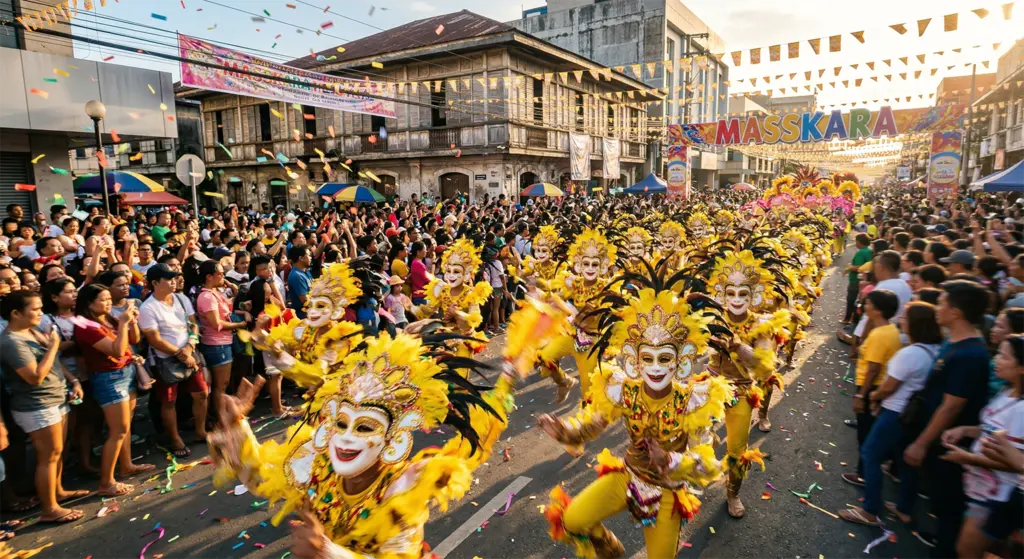
Bacolod, known as the City of Smiles, lives up to its name. The city’s social confidence stems from its sugar wealth. Bacolod features excellent restaurants, shopping, and cultural hubs with 150 years of economic significance. The food scene is among the best in the Visayas. Chicken Inasal originated here, and the kakanin (rice cake) tradition is strong. Coffee shops and restaurants reflect Bacolod’s long-standing tradition of good food.
The MassKara Festival transforms Bacolod every October. If visiting during this time, don’t miss it. Book accommodations months in advance. Plan to attend the third-week street-dancing competition and the night parades. Outside of October, Bacolod is a comfortable, walkable city with friendly locals and reliable infrastructure.
The Ruins, Talisay
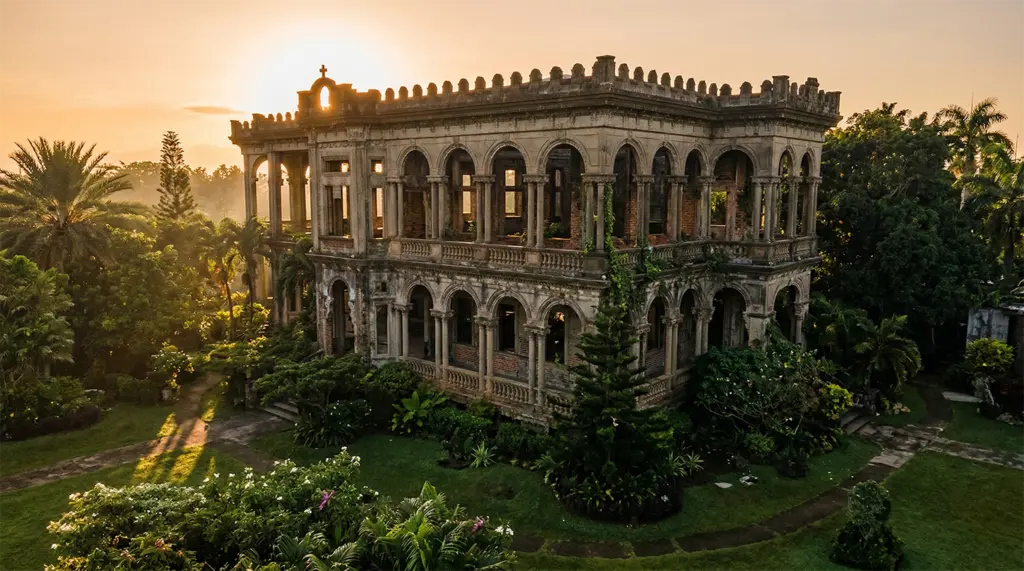
The Ruins, located 11 kilometers south of Bacolod in Talisay, is a must-see historical site. It is the skeletal remains of a vast Italian Renaissance-style sugar plantation mansion. The mansion was built by haciendero Don Mariano Ledesma Lacson in the early 1900s as a tribute to his late wife. Filipino guerrillas burned it during World War II to prevent its use by Japanese forces. The concrete structure survived, leaving behind walls, columns, and arched windows. It is now one of the Philippines’ most photographed landmarks.
Visit at sunset, when the light makes the concrete glow like stone. The gardens are beautifully lit, enhancing the site’s charm. Known as the “Taj Mahal of Negros,” it impresses in unique ways.
Silay City
Silay City, located 20 kilometers north of Bacolod, is the heritage town of Negros Occidental. It is designated a heritage city by the National Historical Commission. Silay is home to many preserved colonial-era ancestral homes built by haciendero families during the sugar economy’s peak. The Balay Negrense, a restored mansion with period furnishings and archives, offers insight into the life of the sugar elite. Plan for a half-day in Silay, either before or after visiting Bacolod.
Mambukal Mountain Resort

Mambukal Mountain Resort is in Murcia, about an hour from Bacolod near Mt. Kanlaon’s foothills. The resort offers seven waterfalls, hot spring pools, a canopy walk, and a zip line. The hot springs, fed by geothermal activity from Mt. Kanlaon, are the main attraction. The sulfurous pools are surrounded by secondary forest, adding to their appeal. Mambukal is the easiest gateway to Mt. Kanlaon Natural Park without committing to a multi-day trek. Day trips from Bacolod are common, but overnight accommodations are available.
Negros Oriental — The University Coast and the Interior
Negros Oriental is shaped by two key features unfamiliar to many visitors arriving by ferry from Cebu. First, Silliman University, which has produced writers, scientists, and public intellectuals for over a century, is at its center. Second, its interior holds the karst uplands of Mabinay, the mountains above Valencia, and forests behind Sibulan, which few visitors explore. Both deserve understanding before arriving.
Dumaguete City
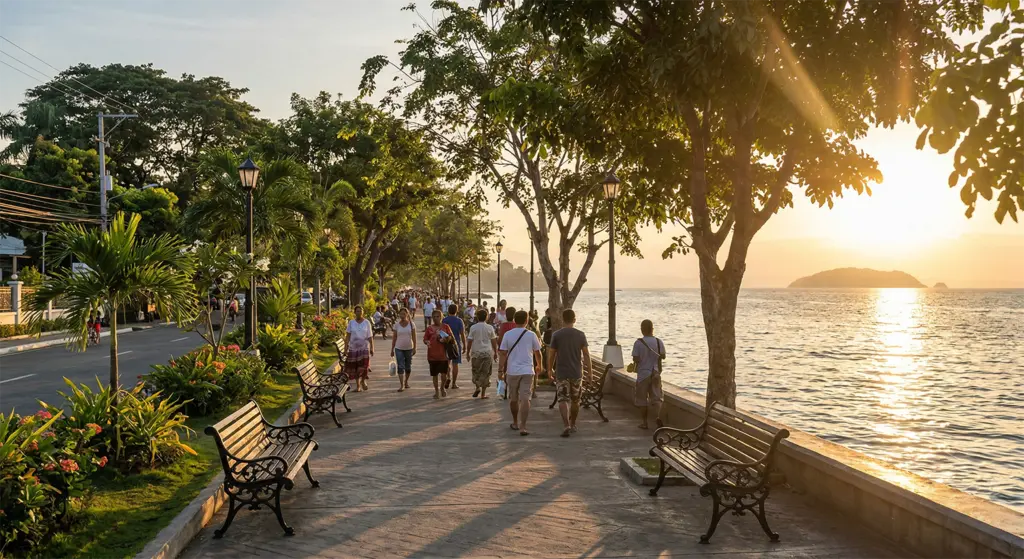
Dumaguete is one of the smallest but most interesting provincial capitals in the Philippines. Silliman University anchors the city, surrounded by Rizal Boulevard’s seafront promenade, and a mix of students, retirees, and dive tourists. The university’s presence also means Dumaguete has a strong selection of restaurants and coffee shops.
The boulevard at dusk, with Cebu’s lights visible across the strait, is an ideal introduction to the city. Your first meal should be at Sans Rival, a bakery-restaurant beloved by students and intellectuals for decades.
Apo Island
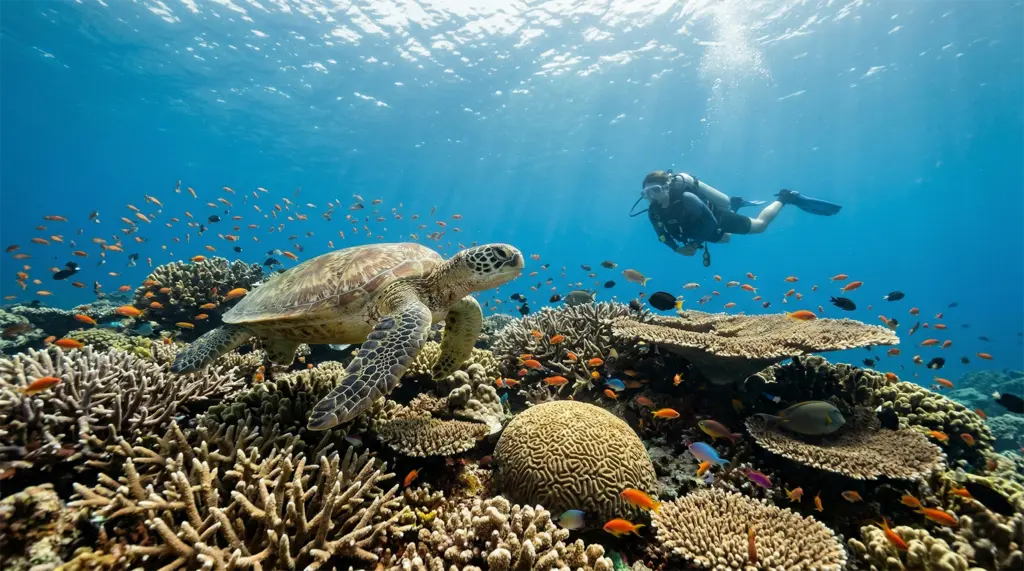
Apo Island, 30 kilometers south of Dumaguete and a 30-minute outrigger ride from Malatapay market, is a top snorkeling and diving destination. Its community-managed marine sanctuary has recovered since the 1980s, with some of the country’s highest reef fish densities. Green sea turtles are a near-certain encounter here. The reef offers shallow snorkeling gardens and wall dives with currents and pelagic species. More details on Apo Island are covered in the companion ocean and marine life article.
Dauin and the Muck Diving Coast
Dauin, located between Dumaguete and Malatapay, is famous among divers for world-class muck diving. Its volcanic black-sand seabed hosts frogfish, flamboyant cuttlefish, nudibranchs, blue-ringed octopuses, and ghost pipefish. Most dive operators for Apo Island are based in Dumaguete or Dauin, making it easy to combine a variety of diving experiences from a single location.
Manjuyod Sandbar and Bais City
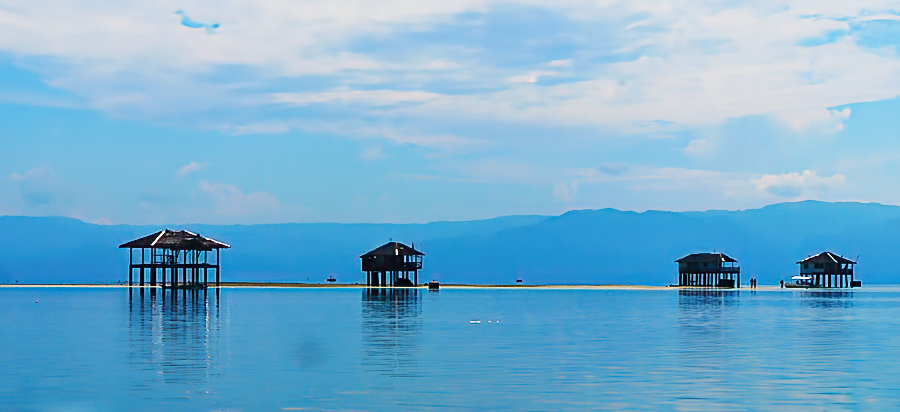
Bais City, 50 kilometers north of Dumaguete, offers two unique day-trip experiences. The Taon Strait near Bais is a major cetacean corridor, home to spinner dolphins that gather in pods of hundreds. Early morning is the best time for dolphin watching.
The tours also visit Manjuyod Sandbar, a stunning white sand formation that emerges at low tide. The sandbar, with its shallow and crystal-clear waters, is breathtakingly beautiful. Dolphin watching is best in the morning, and sandbar visits follow at low tide. Day trips from Dumaguete are standard.
The Twin Lakes of Balinsasayao
The Twin Lakes, Balinsasayao and Danao, lie in the mountains above Sibulan, about 20 kilometers north of Dumaguete. These crater lakes sit in a community-managed natural park surrounded by intact forest that supports endemic bird species. Kayaks are available at Lake Balinsasayao, and the area’s elevation makes it significantly cooler than the coast. With its quiet forested atmosphere and minimal tourist infrastructure, the lakes are a peaceful half-day trip from Dumaguete.
Mabinay — The Interior
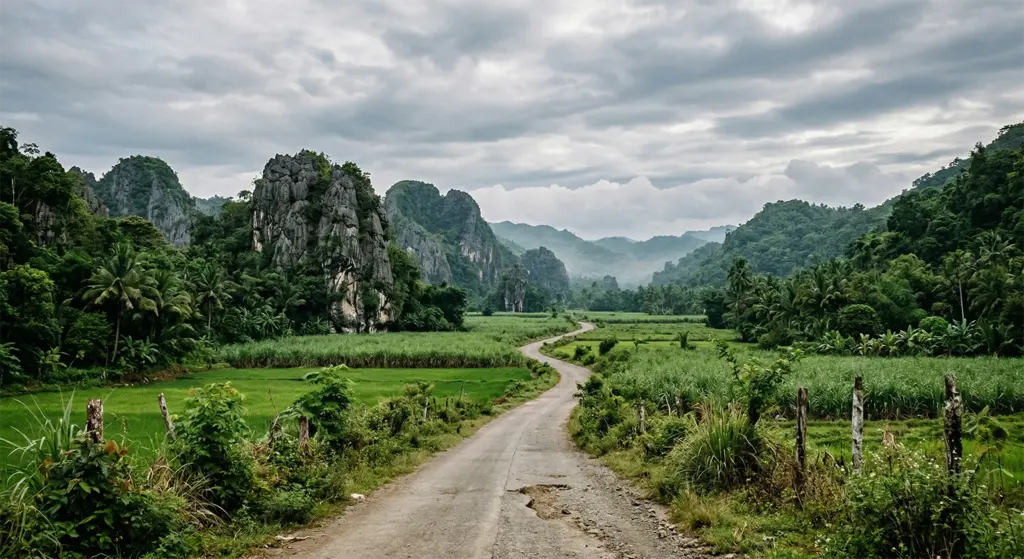
The road north from Dumaguete into the interior of Negros Oriental eventually reaches Mabinay, a municipality that sits atop more than 500 documented caves, the largest cave concentration in the Philippines. The landscape changes as you drive: the coastal flatlands give way to karst limestone hills, then the hills fold into each other, and the road starts to climb. Mabinay Springs, fed by an underground karst water system, is the clearest cold-water swimming hole in the province. The cave systems require a local guide and reward the effort. My family’s home is here, and the interior of Negros Oriental is a part of the island that most visitors to the coast do not reach. That is their loss. The caves have been inhabited since before the island had a name, and the landscape still looks as it did then.
Getting to Negros Island
There are two airports and multiple sea routes. Which makes sense, depending on which province you are visiting first.
By Air
Bacolod-Silay Airport in Negros Occidental serves daily flights from Manila on Cebu Pacific, Philippine Airlines, and AirAsia, with some connections from Cebu. Flight time from Manila is approximately one hour. Dumaguete Airport in Negros Oriental has daily flights from Manila (approximately 1.5 hours) and connections from Cebu. Both airports have improved in recent years and are straightforward to use. International travelers connect through Manila, Cebu, or Clark.
By Sea
Sea routes into Negros Island are numerous and well-established. Bacolod is served by fast ferries from Iloilo City on Panay Island, a crossing of about one hour that runs multiple times daily. Dumaguete is served by ferries from Cebu City, Tagbilaran (Bohol), and several other Visayan ports. The Dumaguete-Cebu crossing takes approximately two hours by fast ferry and runs frequently throughout the day. This is one of the most useful sea routes in the Visayas for regional travel: Cebu to Dumaguete, or Dumaguete to Cebu, is quick enough that day trips in either direction are practical. The ferry from Tampi, south of Dumaguete, to Santander in southern Cebu is even shorter, closer to 30 minutes, and is the route that connects the Negros Oriental south coast to the Oslob whale shark area in Cebu.
Between Provinces
Getting from Negros Occidental to Negros Oriental (or vice versa) by land means crossing the mountain spine, which is a serious road journey, several hours on winding mountain roads, rewarding in scenery and demanding on the vehicle and the passenger. Most travelers take the sea route instead: from Bacolod down to San Carlos City, then a ferry to Toledo City on Cebu, then another ferry from southern Cebu back to Dumaguete or Negros Oriental. The cross-island road is worth doing once for the mountain views and the experience of seeing the landscape change; it is not the most efficient route.
Getting Around Negros Island
Within each province, the practical options depend on what you are trying to reach. The major cities and towns are well-connected by jeepney and bus. Tricycles (motorcycle sidecars) are the standard short-distance transport within towns. For destinations off the main routes, Mambukal from Bacolod, the Twin Lakes from Dumaguete, and Mabinay from the coast, renting motorcycles or hiring vehicles is the practical solution. Motorcycle rental is available in both Bacolod and Dumaguete at rates that are reasonable by Philippine standards, and the freedom a rented bike gives for reaching the interior destinations is considerable.
Ride-hailing apps function in both Bacolod and Dumaguete, and grab-style services are increasingly available. For Apo Island and the muck diving sites, dive operators handle transportation as part of their packages, eliminating the logistics for these marine destinations. Car rental is available in both provincial capitals for visitors who prefer the flexibility of their own vehicle.
When to Visit
The best all-around timing for Negros Island is February through May: the dry season in Negros Occidental, good diving conditions in Negros Oriental, and the MassKara Festival in October for those whose schedules allow. The specific considerations by province:
For Negros Occidental, December through May is the dry season, ideal for the heritage towns, outdoor activities, and general touring. June through November brings the southwest monsoon with heavier rainfall. October specifically, regardless of the weather, is MassKara season, and it’s worth planning around if a festival visit is a priority.
For Negros Oriental, March through June offers the best diving conditions and the highest underwater visibility. November through January can bring rougher seas that affect Apo Island crossings. Diving is possible year-round, but weather flexibility in the schedule is useful. Mabinay and the interior are most accessible in dry conditions, when cave trails and mountain roads are less slippery.
A two-week visit to Negros Island can reasonably cover both provinces, with Bacolod, Silay, and the Ruins in the west and Dumaguete, Apo Island, Bais, and the interior in the east. A week in either province alone is also well used. The mistake is arriving for two days and treating Bacolod or Dumaguete as representative of the whole island.
Which Province to Base Yourself In
The short answer: Dumaguete for divers, Bacolod for food and festivals, and for a general first-time visit to the island.
Dumaguete is the better base for travelers whose primary interest is marine life, with Apo Island and Dauin accessible by short drive and boat, the Twin Lakes and Mabinay interior within day-trip range, and the city itself offering enough to fill evenings comfortably. The ferry connections from Cebu make Dumaguete easy to incorporate into a broader Visayas itinerary without backtracking.
Bacolod is the better base for travelers interested in Philippine colonial history, hacienda architecture, and food culture. The Ruins, Silay City, and Mambukal are all within easy day-trip distance, and the city itself has a food and nightlife scene that Dumaguete, for all its charm, does not match in scale. The MassKara Festival makes October the only time when Bacolod is the clear first choice for visitors, regardless of their interests.
The mountain crossing between them, even with the effort involved, is worth doing if time allows. Arriving in Negros Occidental at Bacolod-Silay Airport, spending several days in the western province, crossing east via the San Carlos-Toledo-Dumaguete sea route, and departing from Dumaguete Airport for Cebu or Manila is a logical route that covers the island thoroughly without retracing steps.
The Negros Island Series — What Follows This Article
Negros Island is one of those destinations that resists a single article. The island is large enough, varied enough, and historically layered enough that a traveler who reads only one piece about it before arriving will miss the larger picture, and the larger picture is worth having before the flight lands.
This article is part of a five-piece series covering Negros Island in full. The history article traces everything from the pre-colonial Ati and Bukidnon communities through the Spanish sugar economy, the 1898 Cantonal Republic of Negros, the American chapter, and the sugar crisis of the 1980s that produced the MassKara Festival, a context that makes the hacienda architecture, the festival culture, and the social character of Bacolod and Dumaguete considerably more readable on the ground. The natural wonders article covers Mt. Kanlaon and the broader volcanic landscape, the Mabinay cave systems, the waterfalls of Negros Oriental, the Twin Lakes of Balinsasayao, and the endemic species of the North Negros Natural Park.
The culture article examines the language divide between the two provinces, the full story of MassKara and Buglasan, the food traditions of both coasts, the ancestral home architecture of Silay City, and the literary culture that Silliman University has sustained in Dumaguete for more than a century. The ocean and marine life article delves into Apo Island’s community conservation story, the muck-diving coast at Dauin, and the cetacean corridors of the Taon Strait. The overview article (this article) is the practical planning piece: the two-province decision, how to get there and between them, when to visit, and which province to base yourself in, depending on what you are looking for.
The Takeaway
Read together, the five articles cover the island the way it deserves to be covered. Read individually, each one stands on its own. Either approach works, but the traveler who arrives knowing the history, ecology, culture, and marine environment will find that Negros Island gives back more than it asks.
Frequently Asked Questions About Visiting Negros Island
Q1: How do I get from Manila to Negros Island?
The most direct routes are by air to either Bacolod-Silay Airport (Negros Occidental) or Dumaguete Airport (Negros Oriental), both served by daily flights from Manila on Cebu Pacific, Philippine Airlines, and AirAsia. Flight time is approximately one hour to Bacolod and 1.5 hours to Dumaguete. Alternatively, fly to Cebu and take a fast ferry to Dumaguete (approximately two hours) or a connecting flight to either airport. The Cebu-Dumaguete ferry is one of the more pleasant inter-island crossings in the Visayas and is worth doing if the itinerary allows.
Q2: How much time do I need to see Negros Island properly?
A minimum of five to seven days for either province alone, or at least ten to fourteen days for a genuine cross-island visit. Three days in Bacolod, with day trips to Silay, The Ruins, and Mambukal, provide a reasonable introduction to Negros Occidental. Four to five days based in Dumaguete, with visits to Apo Island (two dive days), the Twin Lakes, and Bais City, cover the Negros Oriental highlights. Add two to three extra days if Mabinay and the interior caves are on the itinerary. The common mistake is treating Negros as a one-night stopover on the way between Cebu and Palawan. It is not that kind of destination.
Q3: Is Negros Island safe for tourists?
Negros Island is generally safe for tourists in the areas covered by this article — Bacolod, Silay, Dumaguete, Apo Island, Bais, and the tourist routes between them. Standard Philippines travel caution applies: keep valuables secure, use legitimate transportation, and check current advisories from your government’s travel advisory service before departure. The Philippine government periodically issues travel restrictions for specific mountain areas of Negros Island due to security concerns in remote interior regions; these generally do not affect the tourist areas described in this series. Kanlaon Natural Park has its own access restrictions tied to volcanic activity — check PHIVOLCS alert status before any Kanlaon trekking plan.
Q4: What is the best food to try in Negros Island?
In Negros Occidental: Chicken Inasal (the original version, from Bacolod, not a chain), Kansi (slow-cooked beef bone soup with batwan souring agent), KBL (kadios-baboy-langka stew, the everyday Ilonggo dish), and piyaya (muscovado sugar flatbread). Buy Negros muscovado sugar to take home if you can. In Negros Oriental: kinilaw made with whatever was freshly caught that morning, Batchoy noodle soup, grilled seafood from the Rizal Boulevard restaurants in Dumaguete, and the pastries at the Sans Rival bakery. Café Alicia, a mountain restaurant in San Isidro, Pamplona, in the hills above the coast, is a specific Negros Oriental recommendation worth the drive for anyone interested in a meal with a view.
Q5: Can I visit both Negros Occidental and Negros Oriental on the same trip?
Yes, and it is the recommended approach. The most logical route: fly into Bacolod, spend three to four days in Negros Occidental (Bacolod, Silay, The Ruins, Mambukal), then travel east by the San Carlos-Toledo sea route to connect to the Cebu-Dumaguete ferry, arriving in Negros Oriental for four to five days (Dumaguete base, Apo Island, Bais/Manjuyod, Twin Lakes), then depart from Dumaguete by air or ferry. The cross-island land route between Bacolod and Dumaguete is possible but takes several hours over mountainous roads; the sea route is usually faster and more practical. The two provinces speak different languages (Hiligaynon in the west, Cebuano in the east) and have distinctly different characters; experiencing both gives a more complete picture of the Philippines than either alone.
SUGGESTIONS FOR LODGING AND TRAVEL
Lodging is widely available throughout the Philippines. However, you may want to get some assistance booking tours to some of the Philippines’ attractions. I’ve provided a few local agencies that we’ve found to be very good for setting up tours. For transparency: We may earn a commission when you click on certain links in this article, but this doesn’t influence our editorial standards. We only recommend services that we genuinely believe will enhance your travel experiences. This will not cost you anything, and I can continue to support this site through these links.
- For Hotel Accommodations in the Manila area, I highly recommend The Manila Hotel. It is centrally located and within walking distance of Rizal Park and Intramuros. Many other attractions are easily accessible from there as well. I have provided a search box below for you to find hotels (click on “Stays” at the top) or flights (click on “Flights” at the top). This tool will provide me with an affiliate commission (at no cost to you).
Local Travel & Lodging Assistance
- Guide to the Philippines: This site specializes in tours throughout the Philippines. They seem to have some flexibility in scheduling, and pricing is very competitive.
- Kapwa Travel is a travel company focused on the Philippines. It specializes in customizing trips to meet customers’ needs.
- Tourismo Filipino is a well-established company that has operated for over 40 years. It focuses on tailoring tours to meet customers’ needs.
- Tropical Experience Travel Services – Tours of the Philippines: This company offers a range of tour packages, allowing you to tailor your trip to your preferences.
Specific Lodging Suggestions
- Big BamBoo Beach Resort Sipalay – This is a moderately priced resort in Sipalay, Negros Oriental, with great beach access.
- Hotel Dumaguete – A very nice hotel with good reviews and reasonably priced.
- Rovira Suites in Dumaguete – A very nice hotel with very good reviews and a very reasonable price.
- Citadines Bacolod City – A highly rated and popular hotel in the Bacolod area. A little pricier than some, but worth the cost.
- Stonehill Suites – Another highly rated hotel in the Bacolod area. This one is a little more reasonably priced.
- Circle Inn – Hotel & Suites – This hotel falls into the budget-friendly category. They, too, are well-rated and provide good, comfortable lodging.
Lastly, we recommend booking international travel flights through established organizations rather than a local travel agent in the Philippines. I recommend Expedia.com (see the box below), the site I use to book my international travel. I have provided a search box below for you to use to search for flights (click on “Flights” at the top) or Hotels (click on “Stays” at the top). This tool will provide me with an affiliate commission (at no cost to you).