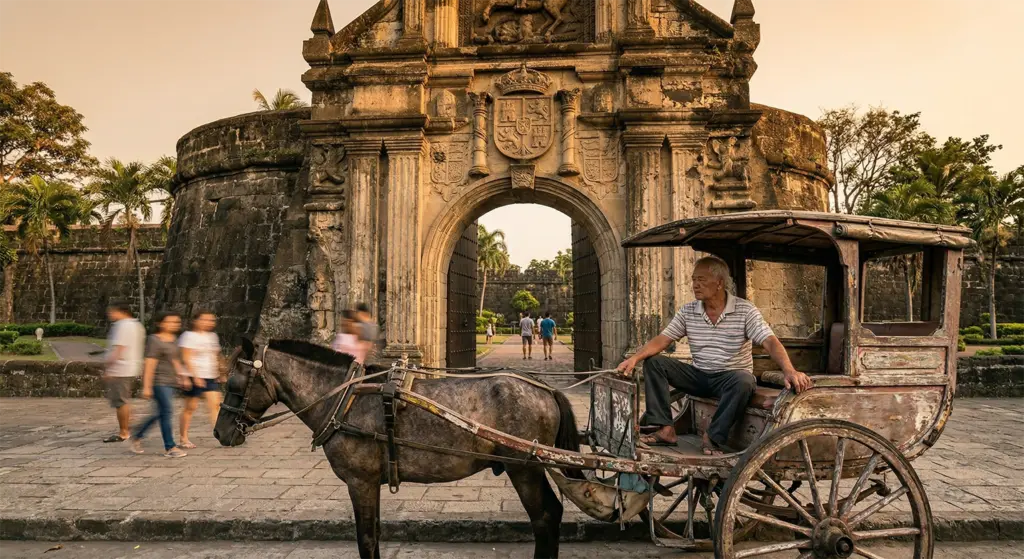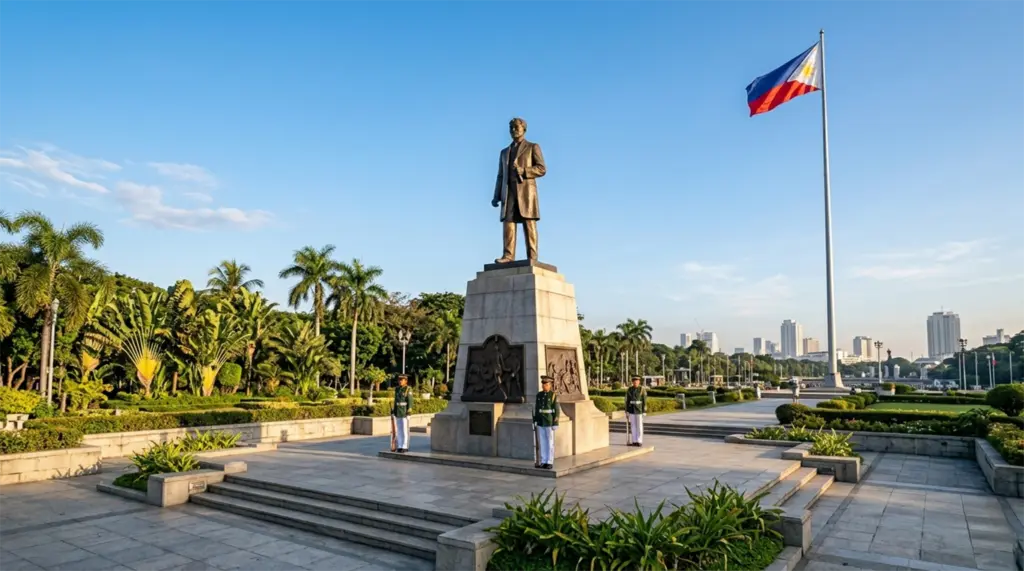

The Philippines is one of the most rewarding destinations in Asia for older travelers. The combination of warm hospitality, affordable costs, good English-language communication, and an enormous variety of island environments makes it well-suited for those who want genuine travel experiences without unnecessary difficulty. The climate is consistent, the food is safe and appealing, and the local culture toward older visitors is genuinely respectful.
That said, the Philippines is not a push-button destination. Getting between islands requires planning. The heat is serious and demands respect. Medical facilities vary significantly between the cities and the more remote island areas. These are manageable realities for the prepared traveler. They require thought before departure, not improvisation on arrival.
This guide is organized around what actually needs attention before and during a Philippine island trip as an older traveler: choosing the right destination for your needs, managing health and medications, handling long-haul flights, getting around once you are there, and knowing what to do when something does not go according to plan.
Choosing the Right Philippine Island Destination
Not all Philippine islands are equally suitable for senior travelers. The key factors are access to medical facilities, transportation infrastructure, and climate exposure. These considerations narrow the field considerably and point toward a set of destinations that deliver well.
Cebu City is the most practical base for a first Philippine island trip. The international airport, the concentration of hospitals and pharmacies, the well-developed taxi and ride-hailing network, and the ferry connections to nearby islands give older travelers flexibility without exposure. Nearby destinations like Bohol and Malapascua are easy days or overnight extensions from a Cebu base.
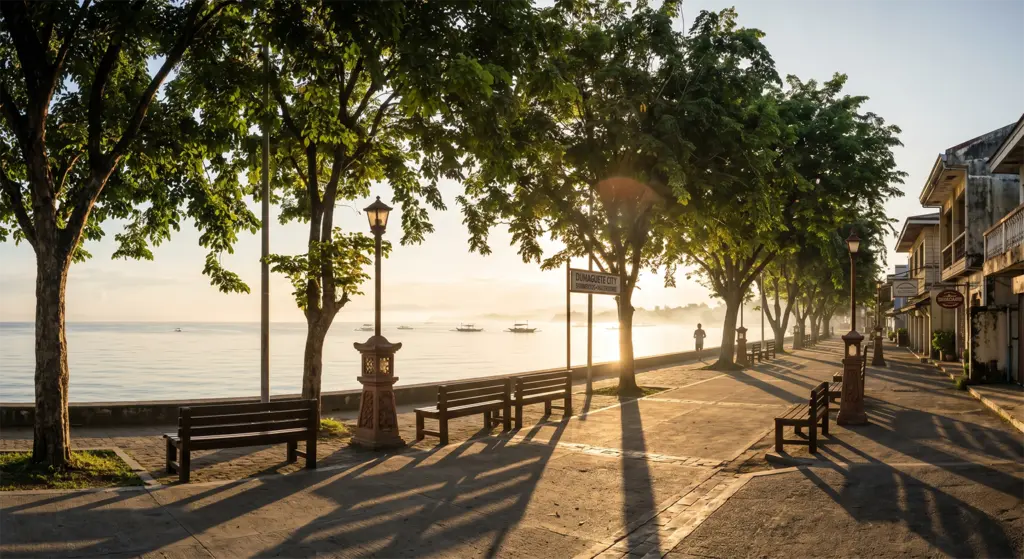
Dumaguete, the capital of Negros Oriental, has developed a significant expatriate retiree community over the past two decades. The reasons are practical: it is a small, walkable city with a good regional hospital, several reliable pharmacies, excellent, affordable food, and a calm pace that suits longer stays. The ferry to Cebu takes under two hours. Apo Island and the Bohol Strait are close by for those who want marine experiences. It is among the most comfortable provincial cities in the Visayas for older independent travelers.
Boracay suits senior travelers who want an established beach resort with good infrastructure and plenty of dining options close at hand. White Beach has a flat paved path along its entire length, making walking manageable even for those with mobility concerns. The island is small and can be reached by tricycle or on foot.
Palawan and Siargao are worth considering for older travelers in good physical condition who can handle variable transportation and more basic infrastructure. Both reward the effort. Neither is the right first destination for someone traveling to the Philippines alone or for the first time.
Planning an Itinerary That Works for You
The most common planning mistake for senior travelers in the Philippines is overscheduling. Island-hopping sounds efficient on paper. In practice, it means repeated boat rides, multiple check-ins and check-outs, and physical exposure to sun, heat, and choppy water. Each of those elements is manageable individually. Stacked together over seven days, they add up.
A better approach is to pick one or two base locations and take day trips from them. Three nights in Cebu, three nights in Dumaguete, and a day trip to Apo Island is a full and varied week that does not require repacking every two days. It also leaves margin for the unexpected: a delayed ferry, a day of rest after travel, a destination that turns out to be worth more time than planned.
Timing matters. February through May is the recommended window for most of the Visayas: dry, with lower humidity than June through October and calm seas for ferry crossings. The heat is still significant in April and May; plan outdoor activities for early morning and use the middle of the day for indoor meals and rest.
Book accommodation in advance. The better options at any price point fill up, and last-minute arrangements in unfamiliar places add stress that is easily avoided. Look specifically for ground-floor rooms or properties with lifts if stairs are a concern.
Health Preparation Before You Leave

A pre-departure medical appointment is the single most important step for older travelers heading to the Philippines. The appointment should cover three things: a general fitness assessment for travel, vaccination review, and a medications check.
For the Philippines specifically, the vaccinations most commonly recommended for adult travelers include hepatitis A, typhoid, and tetanus-diphtheria. Malaria risk exists in some rural areas, particularly in parts of Palawan, but is not a significant concern for travelers staying in Cebu, Dumaguete, Boracay, or other major tourist areas. Dengue fever is present and is transmitted by daytime-biting mosquitoes. Using insect repellent during the day, especially in outdoor areas, is a consistent precaution worth maintaining throughout the trip.
Travel insurance is not optional for senior travelers. The coverage that matters most is emergency medical evacuation. Hospital facilities in Cebu and Manila are capable. In smaller islands and rural areas, they are not. An evacuation to Manila or Cebu from a remote location costs significantly more than the annual premium for comprehensive travel insurance. Verify that your policy covers pre-existing conditions before purchasing.
Managing Medications in the Philippines
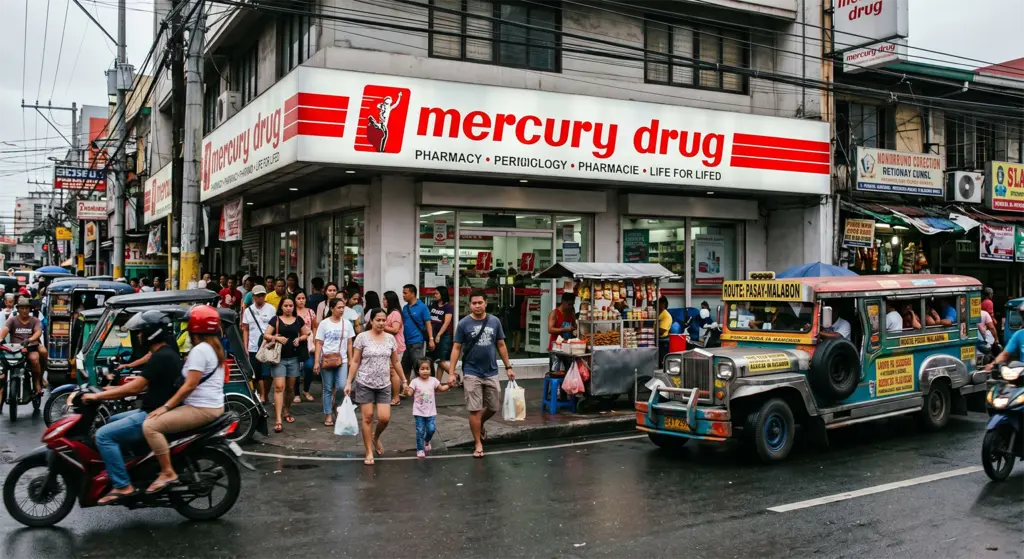
Pharmacies are widely available in Philippine cities and major towns. Mercury Drug, Rose Pharmacy, and Watsons operate chains throughout the Visayas, including in Cebu City, Dumaguete, Bacolod, and Iloilo. Generic equivalents of the most common medications are available at a low cost. On smaller islands and in rural municipalities, pharmacy options are limited and may not stock more common medications. Bring enough supplies for the full trip plus a buffer of several days.
Pack all medications in their original labeled containers in carry-on luggage. A letter from your physician listing each medication by generic name, dosage, and purpose is useful at customs and removes any ambiguity about what you are carrying. The Philippines follows standard international protocols on controlled substances. Carry documentation for any opioid-based medications or controlled drugs, and check the Philippine Drug Enforcement Agency requirements if in doubt.
Heat affects medication storage. Some medications, particularly insulin and certain cardiac drugs, require temperature control. Insulated travel pouches are available and practical. Most hotels with air-conditioning are sufficient for standard storage, but ask about refrigerator access on arrival if your medications require it.
If you need to refill a prescription while in the Philippines, bring the original prescription with the physician’s contact details. Some common medications are available over the counter in the Philippines that are prescription-only at home. When in doubt, a consultation at a local clinic is straightforward and inexpensive by Western standards.
Managing the Long-Haul Flight to the Philippines
Most international travelers to the Philippines arrive through Manila’s Ninoy Aquino International Airport or Cebu’s Mactan-Cebu International Airport. From North America or Europe, this involves flights of 16 to 20 hours or more, typically with one connection. Managing the flight well directly affects how the first few days on the ground feel.
Deep vein thrombosis (DVT) is a genuine risk on long-haul flights, particularly for older travelers with circulation concerns. The preventive measures are straightforward: compression socks, hourly movement when the seatbelt sign is off, calf raises and ankle rotations while seated, and consistent hydration. Avoid alcohol and caffeine during the flight, as both increase dehydration. An aisle seat makes standing up easier and removes the social friction of asking a neighbor to move.
The Philippines is in the UTC+8 time zone. From the US East Coast, that is a 12-hour difference. From the UK, it is 7-8 hours. Jet lag adjustment is easier going west to east for most people. On arrival, stay awake until local nighttime, even if you are tired. Morning light exposure and a light meal at local dinner time help reset the body clock faster than staying in a darkened room.
Getting Around the Philippine Islands as a Senior Traveler
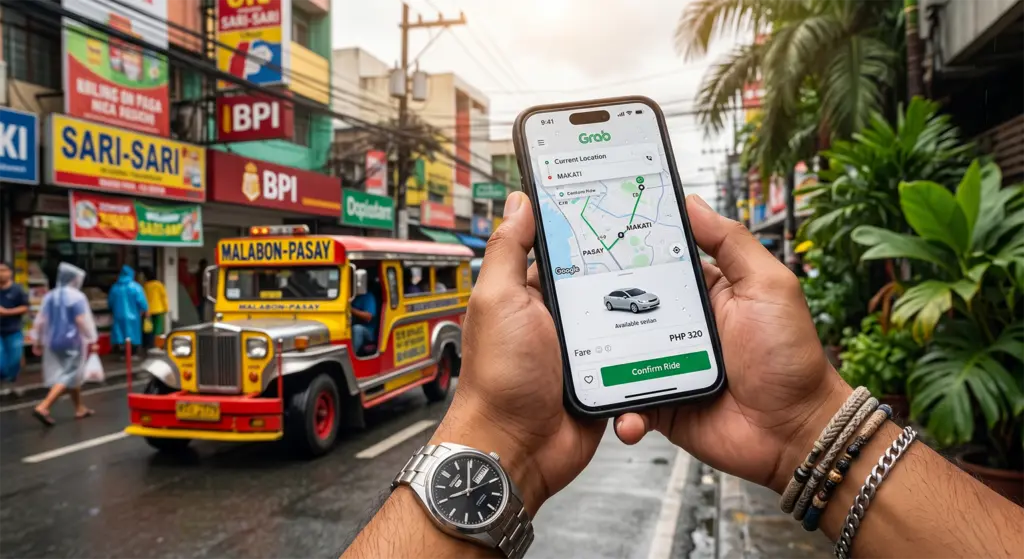
Within Philippine cities, Grab is the most reliable transport option for older travelers. It functions like Uber: a fixed price, a driver you can track, and air-conditioned vehicles. It works well in Cebu City, Dumaguete, Bacolod, and Iloilo. Download the app and set up a payment method before departure.
Tricycles (motorcycle-sidecar combinations) are the standard short-distance transport in most Philippine towns. They are inexpensive, ubiquitous, and useful for covering short distances. Passengers with significant mobility limitations may find the low entry step or the tight sidecar difficult. Standard taxis are available in larger cities and are a comfortable alternative.
Inter-island ferry travel is generally comfortable on the main fast-ferry routes. The Cebu to Dumaguete crossing takes under two hours on a modern air-conditioned vessel. Longer overnight ferry crossings on older vessels are less comfortable and not recommended as a first choice when flights are available at comparable cost.
Roads in the Philippines vary significantly in quality. Main national highways are generally good. Rural roads, mountain routes, and some inter-barangay roads are rough and slow. If a day trip involves significant inland road travel, factor in the physical demands of a multi-hour drive on uneven surfaces.
Staying Healthy on the Islands
Heat is the most consistent physical challenge for visitors to the Philippines, regardless of age. For older travelers, the risk of heat exhaustion is higher, and the warning signs may come later. Drink water consistently throughout the day, not just when thirsty. Plan outdoor activities before 10 am or after 4 pm when temperatures are lower. Wear light-colored, loose-fitting clothing and a hat.
Drink bottled or filtered water throughout the trip. Municipal water in the Philippines is not reliably safe to drink, and this applies to both cities and rural areas. Bottled water is cheap and widely available. Ice in hotels and established restaurants is generally made from filtered water; in smaller roadside establishments, it is worth asking.
Philippine food is generally safe and well-cooked. Grilled and stewed dishes are the safest choices at smaller establishments. Raw preparations like kinilaw (raw fish cured in vinegar) are excellent when fresh but require a trustworthy source. The larger cities have hospitals and clinics that routinely handle traveler’s diarrhea and food-related illnesses. Keep oral rehydration salts in your kit.
In case of a medical emergency, Cebu City’s Chong Hua Hospital and Vicente Sotto Memorial Medical Center are the most capable facilities in the Visayas outside Manila. In Dumaguete, Negros Oriental Provincial Hospital and several private clinics handle most non-critical cases. Save the local emergency number (911 in the Philippines) and your accommodation’s address before leaving your hotel.
Planning the Rest of Your Philippine Trip
The practical guidance in this article applies across the range of Philippine island destinations described elsewhere on this site. The companion articles cover the specific islands in depth: Negros Island across five pieces on its history, natural wonders, culture, marine life, and practical overview; Cebu’s underwater environment; the hidden beaches of Cebu and Bohol; island hopping in the lesser-known Visayan islands; and a broader guide to the best island trips in the Philippines. Reading the destination-specific articles alongside this planning guide gives the full picture for a Philippine trip that is both well-prepared and genuinely rewarding.
Frequently Asked Questions
Q1: Is the Philippines a good destination for senior travelers?
Yes, for travelers who plan well. The Philippines offers excellent value, warm hospitality, strong English communication, and a wide range of island environments that suit different interests and activity levels. Cities like Dumaguete and Cebu City have robust medical infrastructure and large expatriate communities, reflecting the country’s established reputation as a retirement destination. The main requirements are respect for the heat, advanced health preparation, and realistic itinerary planning. Travelers who arrive prepared find the country highly accessible.
Q2: What vaccinations do I need before traveling to the Philippines?
The vaccinations most commonly recommended for adult travelers to the Philippines include hepatitis A, typhoid, and a tetanus-diphtheria booster if more than ten years have passed since the last one. Travelers to rural or forested areas may also be advised on rabies and Japanese encephalitis, depending on the itinerary. Malaria prophylaxis is recommended for travel to rural Palawan, but is not required for major tourist areas in the Visayas. Your travel medicine physician or GP will tailor recommendations to your specific itinerary and medical history.
Q3: How do I handle my medications when traveling to the Philippines?
Bring all medications in their original, labeled containers in your carry-on luggage, along with a physician’s letter listing each medication by generic name, dosage, and purpose. Carry enough supply for the full trip plus a buffer of several days. Major pharmacy chains operate throughout the Visayas to replenish common medications as needed. Store medications away from direct heat, and ask your accommodation about refrigerator access on arrival if any of your medications require temperature control.
Q4: What is the best Philippine island for a first-time senior traveler?
Cebu or Dumaguete, depending on your priorities. Cebu City offers the most comprehensive infrastructure: an international airport, comprehensive hospital services, a robust transport network, and easy ferry access to Bohol and other destinations in the Visayas. Dumaguete is smaller, quieter, more walkable, and has a well-established expatriate community that speaks to its livability for older visitors. Both have good food and reliable accommodation across price ranges, with English spoken as a practical, everyday language.
Q5: What should I do if I have a medical emergency in the Philippines?
Call 911, the Philippine national emergency number. Have your accommodation’s address written down and accessible, as local emergency services will need it. In the Visayas, the most capable hospital facilities are in Cebu City. In Dumaguete, the Negros Oriental Provincial Hospital and several private clinics handle most cases. Ensure your travel insurance covers emergency medical evacuation before you leave home. Keep the insurance emergency contact number saved on your phone and carry a printed copy in your bag. Most situations that feel alarming are handled routinely by the Philippine medical staff who are accustomed to treating foreign visitors.
SUGGESTIONS FOR LODGING AND TRAVEL
Lodging is widely available throughout the Philippines. However, you may want to get some assistance booking tours to some of the Philippines’ attractions. I’ve provided a few local agencies that we’ve found to be very good for setting up tours. For transparency: We may earn a commission when you click on certain links in this article, but this doesn’t influence our editorial standards. We only recommend services that we genuinely believe will enhance your travel experiences. This will not cost you anything, and I can continue to support this site through these links.
- For Hotel Accommodations in the Manila area, I highly recommend The Manila Hotel. It is centrally located and within walking distance of Rizal Park and Intramuros. Many other attractions are easily accessible from there as well. I have provided a search box below for you to find hotels (click on “Stays” at the top) or flights (click on “Flights” at the top). This tool will provide me with an affiliate commission (at no cost to you).
Local Travel & Lodging Assistance
- Guide to the Philippines: This site specializes in tours throughout the Philippines. They seem to have some flexibility in scheduling, and pricing is very competitive.
- Kapwa Travel is a travel company focused on the Philippines. It specializes in customizing trips to meet customers’ needs.
- Tourismo Filipino is a well-established company that has operated for over 40 years. It focuses on tailoring tours to meet customers’ needs.
- Tropical Experience Travel Services – Tours of the Philippines: This company offers a range of tour packages, allowing you to tailor your trip to your preferences.
Lastly, we recommend booking international travel flights through established organizations rather than a local travel agent in the Philippines. I recommend Expedia.com (see the box below), the site I use to book my international travel. I have provided a search box below for you to use to search for flights (click on “Flights” at the top) or Hotels (click on “Stays” at the top). This tool will provide me with an affiliate commission (at no cost to you).