
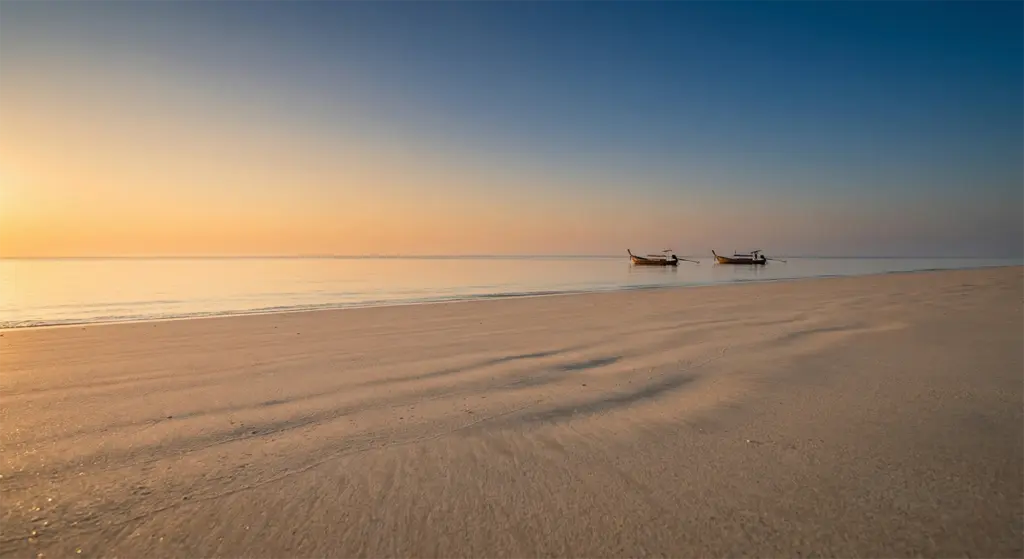
The fisherman who changed my plan didn’t speak much English. He pointed south, said ‘Koh Kradan,’ and held up three fingers. Three hours by boat from Pak Meng. I had three nights booked in Koh Lanta. I canceled them.
That kind of detour is how you find the hidden beaches Thailand keeps to itself. Phuket, Koh Samui, and Koh Phi Phi are excellent. If your objective is a poolside cocktail and a beach-bar playlist, they deliver well. Mine is different. I want the beach where the water is clear enough to see the bottom at eight meters, and I want sand undisturbed at seven in the morning. I want the only infrastructure to be a fishing boat moored to a tree. Three beaches in Thailand meet that standard. They are not secret in the way that requires insider knowledge or a contact list of boat captains. They are hidden in a way that requires effort. That is the only filter that matters. For the beach and for the traveler.
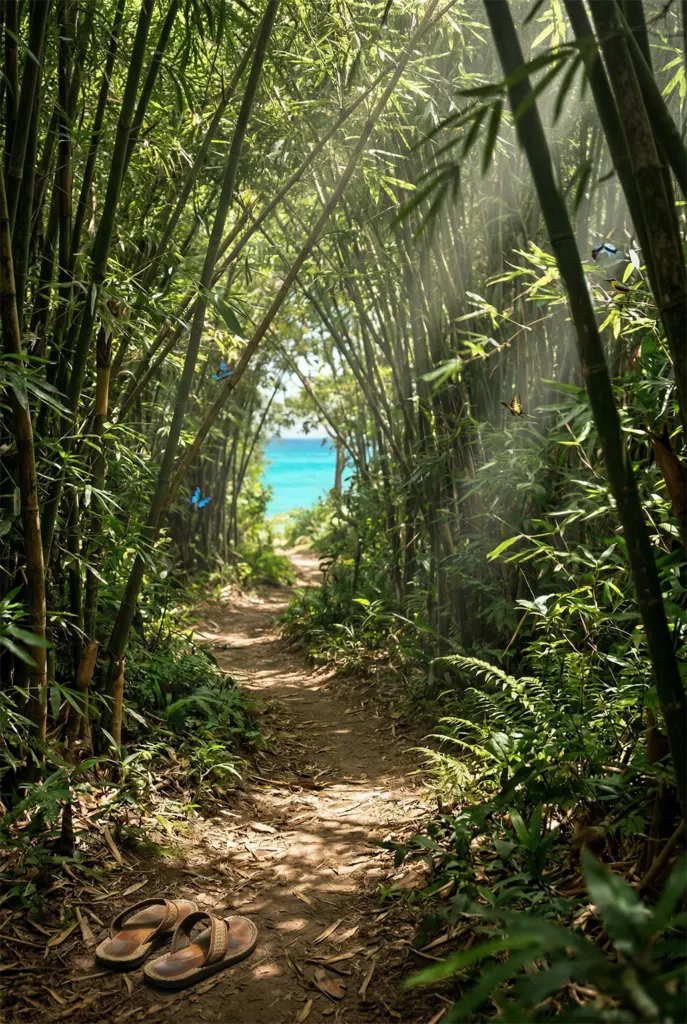
The Beaches That Don’t Make the Brochures
Thailand has over 3,000 kilometers of coastline divided between the Andaman Sea and the Gulf of Thailand. The tourist infrastructure has effectively concentrated most visitors in a handful of areas: hotels, transfers, dive operators, and beach restaurants. That system works extremely well if you want support.
The beaches in this article are not well-supported. Getting to Koh Kradan requires either a ferry from Trang or a long-tail boat from Pak Meng pier. Getting to Bamboo Bay on Koh Lanta requires either a hike or a boat from Long Beach, and getting to Sanom Beach on Koh Lipe requires knowing it exists. None of this is difficult. All of it is deliberate. These hidden beaches in Thailand have not yet been fully commoditized. That will not last. The window is now.
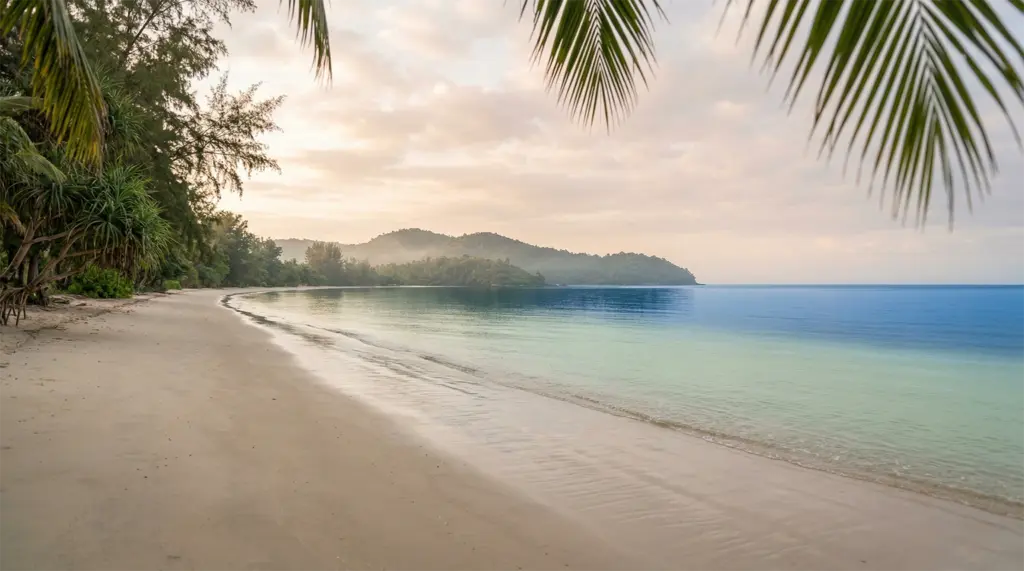
Koh Lipe — The Island With a Hidden Side
Koh Lipe’s reputation has grown fast. Sunrise Beach and Pattaya Beach on the island are lined with sunbeds, dive shops, and restaurants. That development is not the whole island. Walk south from Pattaya Beach along the trail that cuts through the interior. You reach Sanom Beach in about twenty minutes.
Wanchai, a boat operator at the main pier, told me the trail is old. It is the route that the island’s residents used between beaches before the roads came. Most visitors don’t find it because there is no sign. Sanom faces a different direction from the main beaches. That means calmer water in the afternoon when the main beaches get choppier. The sand is fine. The water runs from pale green at the shore to dark blue at the reef edge. There is no beach bar.
The reef around the less-frequented sections of Koh Lipe sits inside the Mu Ko Tarutao National Marine Park. Park fees apply to snorkeling and diving here. The fee structure helps limit some of the pressure on the reef, though it is variable by site. The reef near Sanom sees less traffic than the sites where the dive shops work from the main beaches. It shows.
Getting to Sanom Beach
Fly to Hat Yai or Langkawi, then take a ferry to Koh Lipe. The Satun Pakbara Speedboat Club and Bundhaya Speed Boat both run regular services from Pak Bara pier. From Langkawi, Tigerline runs a connection during peak season. Once on the island, the trail to Sanom Beach starts from the south end of Pattaya Beach. Walk for about twenty minutes. There is no songthaew and no boat required. Go before 9 am. The light is better, and the beach is empty.
Bamboo Bay, Koh Lanta — Hidden Beaches Thailand Undervalues
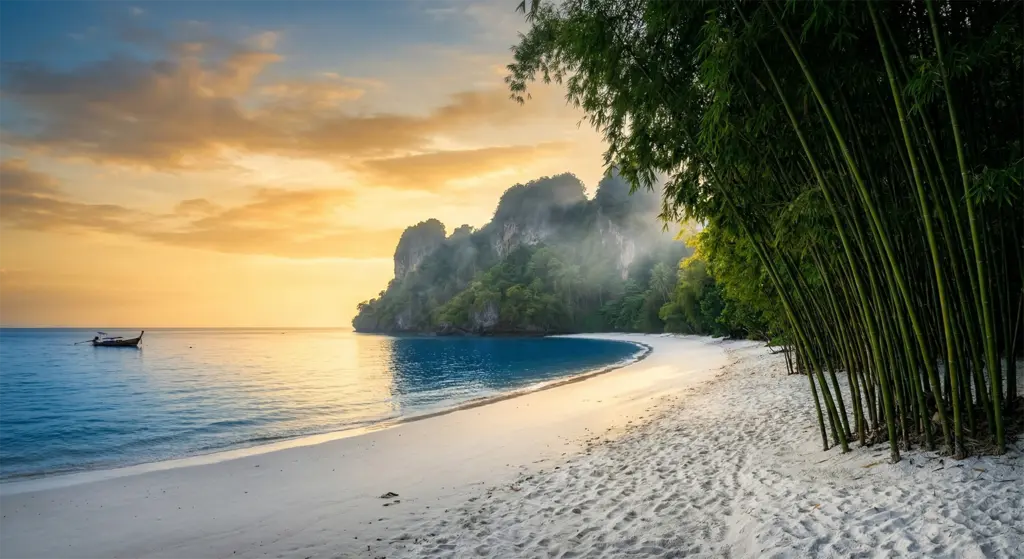
Ao Mai Phai sits at the southern end of Koh Lanta, past the national park entrance. The Thais call it Bamboo Bay. The name is accurate. Bamboo grows to the edge of the sand on the eastern side, and its sound in the wind is the ambient soundtrack when the water is calm. The bay is protected on three sides by a headland. That protection keeps the water flat even when the outer Andaman is running swells.
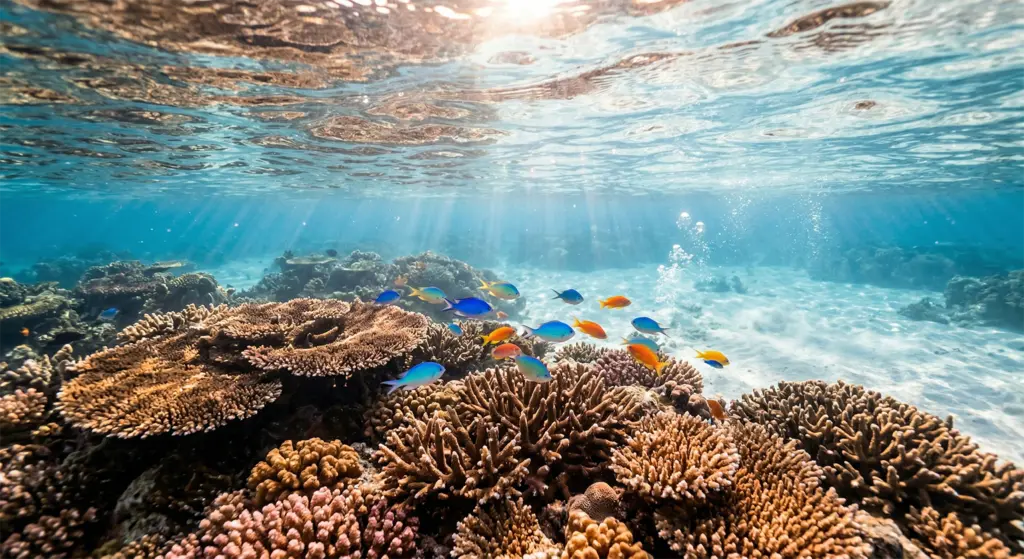
On the western side of the bay, the reef starts close to shore. Snorkelers can reach it without a boat. Nong, a park ranger at the national park entrance gate, saw something worth noting. The coral here recovered faster after the 2004 tsunami than the reefs farther north, which see more traffic. Less pressure, faster recovery. That is not a coincidence.
Getting to Bamboo Bay costs 200 baht per person as a national park entrance fee. There are no restaurants inside the park boundary. Bring water. Bring food. That is not a complaint. It is what keeps the bay the way it is.
Getting to Bamboo Bay
From Saladan on Koh Lanta, take the main road south. The national park entrance is at the southern tip of the island, about 27 kilometers from the Saladan pier. Songthaews run frequently between Saladan and Long Beach but do not continue to the park. Hiring a motorbike in Saladan is the practical choice. The road is paved. The ride takes about 40 minutes. The park opens at 8 am and closes at 6 pm. Check that the gate is open before making the trip in the early or late shoulder season.
Koh Kradan — The Island the Fisherman Recommended
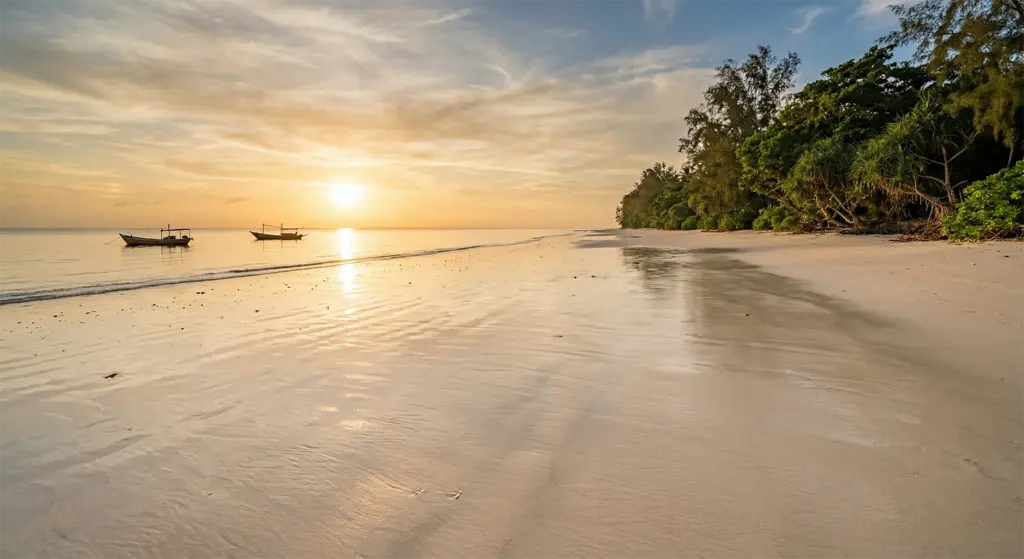
Three hours by boat from Pak Meng pier puts you at Koh Kradan. The crossing is the qualifier. Most visitors to Trang Province head to the province’s towns or take speedboat connections to more famous islands further north. Koh Kradan sits inside Hat Chao Mai National Park. Its beaches face west. The Andaman sunsets land directly in front of you, unobstructed.
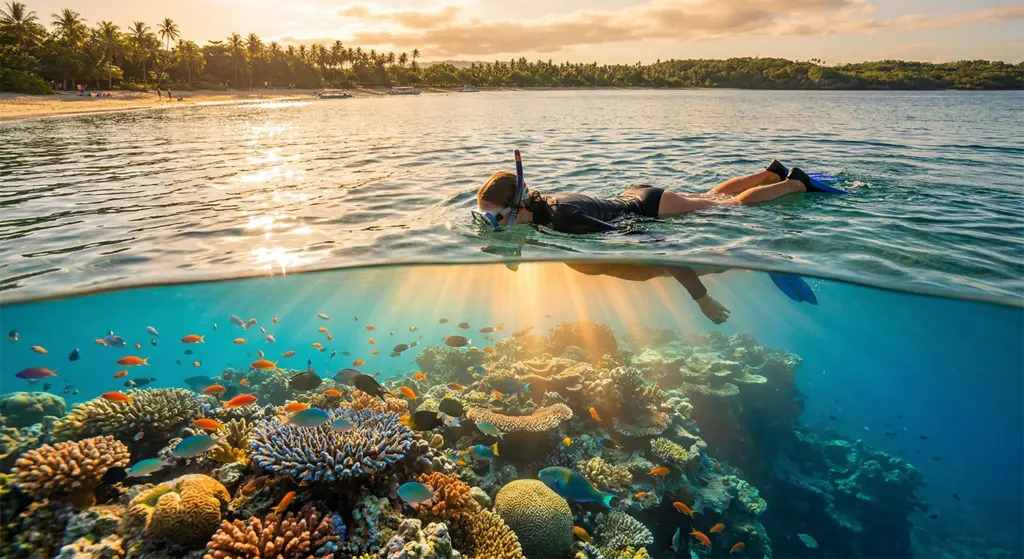
The beach on the west side of the island runs about 600 meters. At low tide, the sand extends far enough that you can walk the full length without hitting water. The sand is coarser than Koh Lipe’s, closer to a warm white than powder. The shallows are clear. The coral reef wraps the northern headland and runs east. You can reach it by snorkeling directly from the beach without a boat.
Phet, a staff member at one of the small resorts on the island, said the reef on the eastern side is more intact than the western approach. The fishing boats from the mainland work the western channel, and the reef there takes more traffic. He was right about the eastern side. The coral is shallow enough for beginners, with healthy table coral and a reasonable density of reef fish. Nothing dramatic. But it is a real, functioning reef. That is no longer guaranteed at every stop in the Andaman.
Getting to Koh Kradan
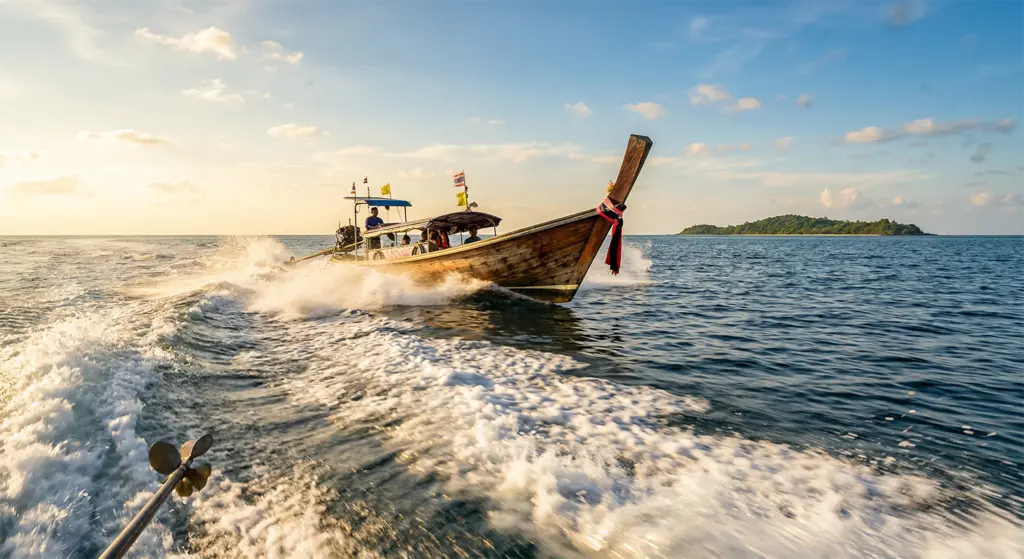
The reliable route is Pak Meng pier in Trang Province, around 40 kilometers west of Trang town. Long-tail and speed boats serve Koh Kradan from Pak Meng. Tigerline and other operators also run connections from Koh Lanta and Koh Lipe during peak season, which runs from November to April. Outside peak season, services thin considerably. Check schedules before committing to the island. The crossing is not always daily in the shoulder months. Book accommodation in advance and ask the resort to confirm the morning boat on your arrival day. On an island this small, that one email saves significant stress.
What Staying Honest Costs You
There is a version of this article that ends with ‘these beaches will change your life’ and tells you to go immediately before they disappear. I am not writing that version.
Koh Lipe is already crowded by Thai island standards. It is growing. The trail to Sanom Beach exists today. In three years, that may not be the case. Bamboo Bay’s park infrastructure is minimal, which is both its advantage and its limitation. There are no shade structures, no medical support, and no rescue boat visible from the beach. Koh Kradan’s three-hour crossing becomes uncomfortable if the weather turns, and accommodation on the island is limited and not cheap for what it offers.
These are honest trade-offs. The beaches are worth it if your idea of a good day is not having neighbors within earshot. They are not worth it if you need convenience. Thailand has excellent options for that, and there is no shame in Phuket.
The hidden beaches Thailand still has on offer are real. So is the effort required to reach them. Know which one you are signing up for before you book the boat. That is the only planning advice that actually matters.
Frequently Asked Questions
Q1: What is the best time of year to visit hidden beaches in Thailand?
The honest answer depends on which coast you are targeting. The Andaman Sea coast, which covers Koh Lipe, Bamboo Bay on Koh Lanta, and Koh Kradan, follows a seasonal pattern driven by the southwest monsoon. The dry season runs from November through April. During this period seas are calm, boat services run reliably, and snorkeling conditions are at their best.
May through October brings the southwest monsoon to the Andaman coast. Seas can be rough, ferry services to smaller islands are sometimes suspended, and some resorts close entirely. Koh Kradan, in particular, is difficult to access because the crossing from Pak Meng can be rough, and boat services are significantly reduced.
If you are making a dedicated trip to these beaches, target November through March. April is acceptable and has fewer visitors than December through February, when the holiday season drives numbers up. March and early April are often the best combination: stable weather, calm seas, and the peak crowds have already gone home.
What I would avoid: booking non-refundable accommodation in the first two weeks of May. The monsoon’s onset is not predictable to the day. Getting stranded on Koh Kradan while waiting for a boat in rough weather is an experience you can skip without losing anything.
Q2: How do I get to Koh Kradan without using a tour operator?
You do not need a tour operator. The independent route is straightforward. Fly to Trang Airport, which has connections from Bangkok’s Don Mueang via Thai Lion Air and Nok Air. From Trang Airport or Trang town, take a shared taxi or metered taxi to Pak Meng pier. That is about 40 kilometers west of Trang town. The drive takes 40 to 50 minutes.
At Pak Meng pier, long-tail boats serve Koh Kradan and other Hat Chao Mai islands. The ferry schedule changes seasonally. During peak season, boats typically leave Pak Meng in the morning. Go to the pier the afternoon before you plan to travel, and confirm the next morning’s departure directly with the boat operators. Most of them speak enough English to manage this conversation.
Some guesthouses on Koh Kradan can arrange your arrival boat if you book accommodation in advance. This is worth doing on a first visit, not because the logistics are complicated, but because knowing someone is meeting you at the other end makes the three-hour crossing feel less like a commitment and more like an arrival.
Q3: Is Koh Lipe still worth visiting, given how much it has developed?
Yes, with calibrated expectations. Koh Lipe has grown significantly in the last ten years. Walking Street is busy. Sunrise Beach and Pattaya Beach have the infrastructure of a developed beach destination: sunbeds, dive operators, and full restaurant strips. The development is concentrated, though. The island is small enough that walking twenty minutes from the busiest part of Pattaya Beach takes you to a genuinely quiet coastline. Sanom Beach is the clearest example.
Timing matters more than most travelers account for. Koh Lipe at Christmas and New Year is crowded by any standard. In March, the difference is significant. The national marine park surrounding the island is the more important long-term consideration. The Mu Ko Tarutao Marine Park fees help limit pressure on the reef, and the less-trafficked dive sites remain in better condition than those near the main beaches.
If snorkeling is a priority, ask the dive shops on Walking Street which sites they currently recommend based on conditions. Any reputable operator will tell you the honest answer. Reef quality varies considerably by site and season. Getting that local read before you get in the water is worth the five-minute conversation.
Q4: What should I bring to Bamboo Bay that I cannot get there?
Everything you expect to need for the day. There are no restaurants, no shops, and no kiosks inside the national park boundary at Bamboo Bay. The entrance gate is the last point of resupply. Bring enough water for a full day in the heat. Two liters per person is a floor, not a ceiling.
Food: bring your own or stop at one of the roadside restaurants near the park entrance on your way in. Bamboo Bay is a full-day destination if you are coming by motorbike from Saladan. Treat it as a picnic rather than expecting to find food upon arrival.
Snorkeling gear is available for rent in Saladan and in Klong Dao. Bringing your own gives you a better fit, which matters when you are in the water for extended periods. Reef-safe sunscreen is required inside the national park. The park entrance staff are clear on this point. Standard sunscreen chemicals affect coral health, and the reef at Bamboo Bay is close enough to the surface that the risk is real. Buy reef-safe brands in Saladan or Krabi before you arrive.
Finally: a dry bag for your phone and any documents. The park has no covered areas, and afternoon rain during the shoulder season arrives without much warning.
Q5: Are these beaches safe for children or non-swimmers?
Sanom Beach on Koh Lipe is suitable for families in calm conditions. The water is shallow close to shore, and the bay faces a direction that protects it from most swell. Non-swimmers and young children are fine in the shallows. Check conditions on the day before committing to the crossing from the main beach side.
Bamboo Bay on Koh Lanta is workable for children because the headland protection keeps the bay calm. There are no lifeguards. The beach drops off gradually rather than sharply, but parents need to be attentive near the water. The reef starts fairly close to shore on the western side, and children who snorkel need supervision near the reef edge.
Koh Kradan is the most variable of the three. The western beach is calm and shallow, making it appropriate for families during the dry season. The reef on the eastern side has exposed sections where swell wraps around the headland. Non-swimmers should stay on the western beach.
A broader note applies to all three: these are national park environments without the facilities found on developed beaches. There are no lifeguards at any of these locations. If someone in your group is not a strong swimmer and conditions are not flat, treat any open water with appropriate caution. The Andaman Sea is not always gentle, and that is not an exaggeration.
Q6: How do I snorkel responsibly at these reefs without causing damage?
The rule that matters most is simple: do not touch the reef. Coral is alive. Physical contact causes damage that takes years to recover, and recovery depends on the site not being repeatedly contacted. In practice, the most common way snorkelers damage coral is not deliberate. It comes from poor buoyancy control. If you are not confident in the water, practice floating still for a few minutes before approaching the reef.
Fins cause damage when you kick without watching where they are going. When you are directly over a coral head, keep your fins moving slowly and horizontally, not downward. A fin-tip on a table coral at Bamboo Bay sets that structure back years.
Reef-safe sunscreen is required at Bamboo Bay and is the right choice at all three locations. If you are renting snorkeling equipment on the beach, check that the mask fits before getting in the water. A leaking mask puts your energy into managing the equipment rather than watching where you are.
Go early. The reefs at all three locations are under less traffic before 10 am. Feeding fish: do not do it. It changes their behavior, alters their diet, and disrupts the reef ecosystem. Watch the reef. Leave it exactly as you found it.
Other Related Articles that may be of Interest
You may also find the following articles interesting.
- The History and Modern Relevance of the Ifugao Rice Terraces
- Luzon Region macro page
Suggestions For Lodging and Travel
Lodging is widely available throughout the Philippines. However, you may want to consider getting assistance booking tours to some of the Philippines’ attractions. I’ve provided a few local agencies that we’ve found very good for setting up tours. For transparency, we may earn a commission when you click on certain links in this article, but this doesn’t influence our editorial standards. We only recommend services that we genuinely believe will enhance your travel experiences. This will not cost you anything, and I can continue to support this site through these links.
Local Lodging Assistance
Guide to the Philippines: This site specializes in tours across the Philippines, offering flexible scheduling and competitive pricing. I highly recommend them for booking local arrangements for a trip like this one. You can book flights and hotels through the Expedia link provided below.
Hotel Accommodations: I highly recommend The Manila Hotel for a stay in Manila. I stay here every time I travel to the Philippines. It is centrally located, and many attractions are easily accessible. Intramuros and Rizal Park are within walking distance. I have provided a search box below for you to find hotels (click “Stays” at the top) or flights (click “Flights” at the top). This tool will provide me with an affiliate commission (at no additional cost to you).
Kapwa Travel is a travel company focused on the Philippines. It specializes in customizing trips to meet customers’ needs.
Tourismo Filipino is a well-established company that has been operating for over 40 years. It specializes in tailoring tours to meet customers’ needs.
Tropical Experience Travel Services – Tours of the Philippines: This company offers a range of tour packages, allowing you to tailor your trip to your preferences.
Lastly, we recommend booking international travel flights through established organizations rather than a local travel agent in the Philippines. I recommend Expedia.com (see the box below), the site I use to book my international travel. I have provided a search box below for you to use to find flights (click “Flights” at the top) or Hotels (click “Stays” at the top). This tool will provide me with an affiliate commission (at no cost to you).